Culture news and discussion on TalkFuse.
On This Day in 1960, Chubby Checker Entered the Pop Chart With a Hit Masterminded by Dick Clark
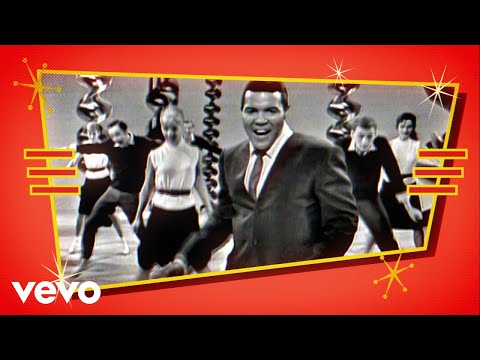
On 1 August 1960, Chubby Checker’s recording of “The Twist” entered the Billboard Hot 100, beginning a run that would take it to number one the following month. The song became a major dance phenomenon in the United States and internationally, helping establish Checker as a leading performer of dance-themed pop hits and illustrating the influence of television promotion on popular music.
“The Twist” was originally written and recorded by Hank Ballard and the Midnighters, whose version reached number 28 after King Records placed it on the B-side of another single. Television host Dick Clark believed the song could be successful but preferred a less provocative performer, so he encouraged Checker to record a close cover; Checker performed it on American Bandstand five days after its chart debut. Cameo Records reissued Checker’s version in late 1961, when it returned to number one for two consecutive weeks.
In short
- Chubby Checker’s “The Twist” entered the Hot 100 on 1 August 1960.
- Dick Clark helped turn the song into a television-driven hit.
- The record reached number one twice, including after a 1961 reissue.
Steelman: both sides, in good faith
The strongest fair case each way — we don't pick a winner.
The case for
The music industry regularly produced multiple versions of songs by different artists as a standard commercial strategy. Clark made a professional judgment about what would appeal to mainstream audiences—a reasonable decision for a television promoter. Ballard's original version had already failed to gain traction when placed on a B-side by its own label, so Clark was not suppressing an existing success. Checker's recording ultimately helped popularise the song and brought credit to its composer, establishing a cultural legacy for both the music and the dance itself.
The case against
Clark's stated preference for a 'less provocative performer' appears to reflect racial bias, consistent with the music industry's systematic marginalisation of Black artists. The original creators and performers were denied the commercial opportunity their own work deserved. That this represents standard industry practice only documents how institutional racism functioned at the time—through the routine exclusion of Black musicians from opportunities available to others. The subsequent success should have belonged to those who created it.
Explained simply
“The Twist” was a simple dance record built around a movement in which dancers turned their hips and feet without needing a partner. It became one of the best-known songs of the early 1960s, as young people in the United States and elsewhere adopted the dance.
Hank Ballard and the Midnighters recorded the song first, but Chubby Checker’s version became far more widely known. Checker was a singer from Philadelphia whose energetic performances helped make dance songs a central part of his career.
Dick Clark was the host of American Bandstand, a television programme that introduced many young viewers to new records and dances. Its support could give a song national attention, showing how television was becoming an important force in the music business.
Art Culture Entertainment Music