‘Once Upon in the Middle East’ Review: China’s Oscar Entry Is a Breakneck Blockbuster That Mixes Food Porn With Wartime Devastation
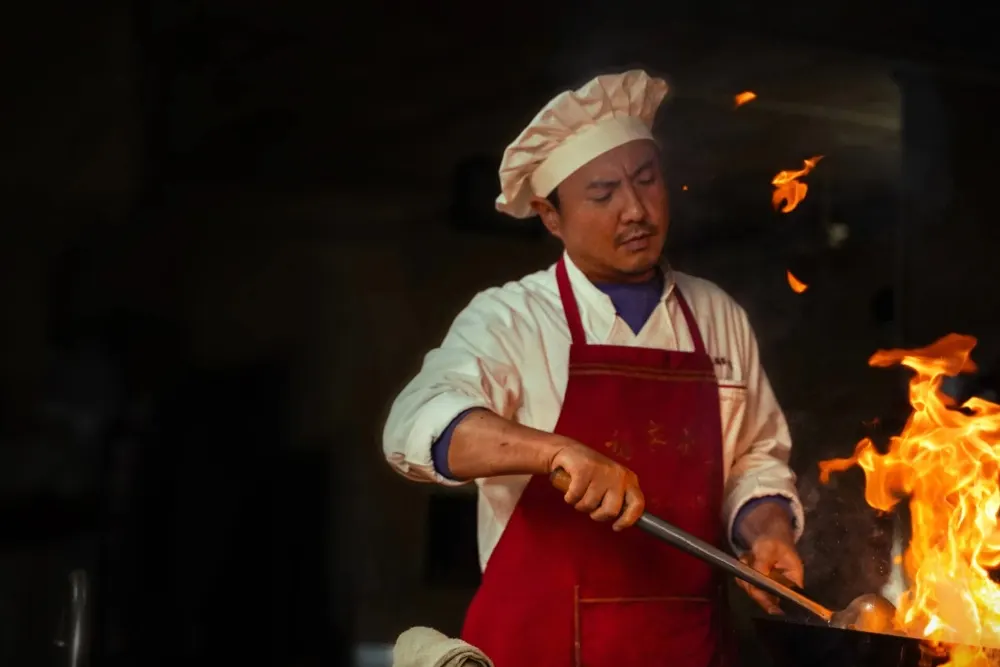
China’s Oscar entry, *Once Upon a Time in the Middle East*, follows a Chinese chef caught up in the outbreak of the Iraq War. The review describes it as a technically extravagant, highly watchable blockbuster whose antiwar message is undermined by blunt propaganda portraying China as a benevolent protector.
Chef Xu Fu takes over a restaurant in the fictional Gulf city of Bahata, where food helps him build ties with locals, including an orphan he mentors. The film contrasts glossy meals with wartime destruction, including a city reduced to rubble and an attack on a military base; it runs for two and a half hours and was a summer box-office hit in China.
- China’s Oscar entry follows a chef through the Iraq War.
- The film pairs lavish food scenes with wartime devastation.
- The review finds it gripping but heavily propagandistic.
New here? Start with this
China’s Oscar entry follows Xu Fu, a Chinese chef who takes over a restaurant in the fictional Gulf city of Bahata as the Iraq War begins. Through cooking, he forms relationships with local residents, including an orphan he mentors.
The film sets lavish meals and the restaurant’s daily life against the destruction of war. Its story brings together a Chinese character, people living in the Middle East and a conflict that reshaped the region, while raising questions about how war and China’s role are portrayed.
Both sides, in good faith
The strongest fair case each way — we don't pick a winner.
The case for
The film can be read as an effective antiwar story that uses the chef’s relationships and shared meals to make the human costs of conflict vivid. Its technical ambition and popular appeal may help that message reach a broad audience, while its depiction of Chinese characters offering care and protection can express a sincere ideal of solidarity across borders.
The case against
The film’s antiwar message may be weakened by presenting China chiefly as a benevolent protector while giving less attention to the complexity of its role or perspective. That framing can make the story feel propagandistic, turning local characters and wartime suffering into a backdrop for national image-making rather than exploring them on their own terms.