Entertainment news and discussion on TalkFuse.
One Spider-Man: Brand New Day scene explains the new structure of the MCU heading into Avengers: Doomsday
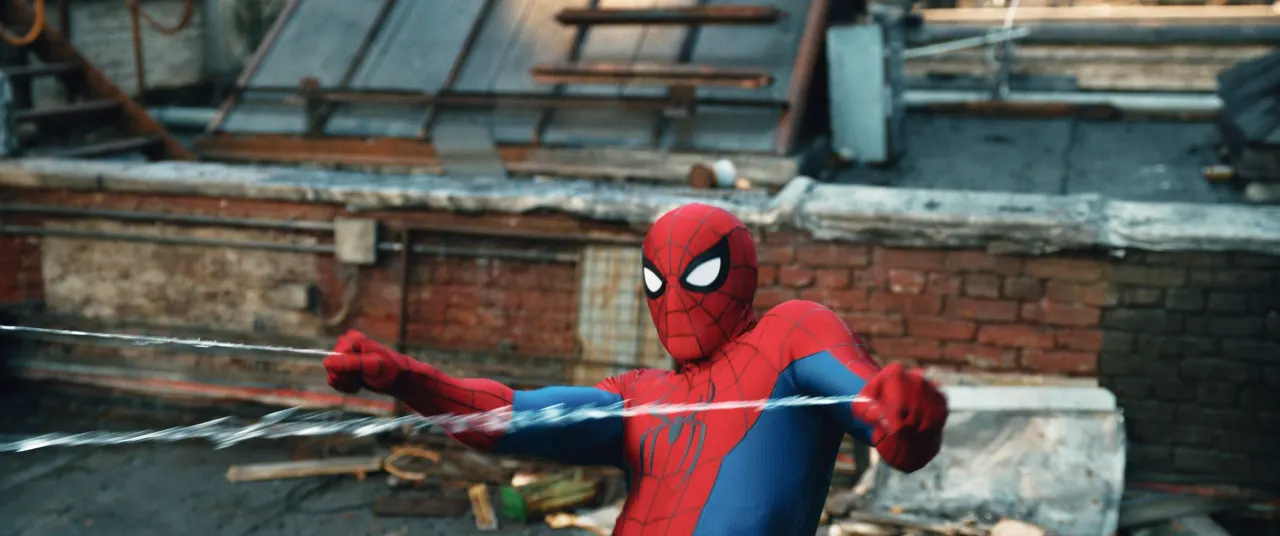
A scene in Marvel's new film Spider-Man: Brand New Day introduces a fresh way of thinking about the pecking order of heroes across the Marvel Cinematic Universe, ahead of the much-anticipated Avengers: Doomsday. In the scene, Yelena Belova (Florence Pugh), now operating as Black Widow within the New Avengers, dismisses a mind-controlling villain troubling Peter Parker (Tom Holland) as "baby potatoes" compared with the "big potatoes" her own team is tackling, offering a light-hearted but telling way of ranking threats by scale rather than by traditional power levels.
The framing plays on Marvel's long-standing split between street-level heroes, such as Daredevil and Luke Cage, and world-threatening dangers tackled by the Avengers, noting that Spider-Man has often been pulled between the two categories in previous films, including Homecoming, Far From Home and No Way Home. Brand New Day initially returns Peter to grounded, neighbourhood-level crime-fighting against foes like Scorpion and Tombstone, but the stakes escalate as Yelena later reassesses the threat as "slightly bigger potatoes" once it emerges that Jean Grey (Sadie Sink) is able to control the Hulk (Mark Ruffalo), hinting at how the film sets up the wider power structure heading into Doomsday.
In short
- Yelena's "potatoes" line ranks MCU threats by scale, not power
- Brand New Day starts Spider-Man at street level before stakes rise
- Jean Grey controlling the Hulk signals escalation towards Avengers: Doomsday
Steelman: both sides, in good faith
The strongest fair case each way — we don't pick a winner.
The case for
This hierarchical approach to threat-scaling provides sensible world-building that serves diverse storytelling. By distinguishing between street-level crime and existential planetary threats, Marvel can offer Spider-Man grounded, character-driven narratives whilst reserving the Avengers for genuinely apocalyptic stakes. The framework respects internal logic: heroes are deployed appropriately to their capacity and narrative sense takes priority over spectacle for its own sake. This clarity prevents the constant escalation that dilutes stakes and allows audiences to understand why certain characters are called upon for specific conflicts.
The case against
The MCU's defining strength was its interconnected universe where heroes from disparate backgrounds unexpectedly collaborated, creating genuine surprise and narrative dynamism. This rigid compartmentalisation risks fragmenting what made the franchise cohesive and instead creates an artificial hierarchy that implicitly devalues street-level storytelling as inherently less important than cosmic spectacle. Character-driven narratives have historically resonated more deeply with audiences than scale alone, and this structure threatens to eliminate the creative possibility of boundary-crossing team-ups. The franchise's greatest moments emerged precisely when hierarchies were crossed, not reinforced.
Explained simply
The Marvel Cinematic Universe, or MCU, is a series of films and shows whose heroes sometimes face local crime and sometimes threats to the whole world. Spider-Man, played by Tom Holland, is often caught between those scales: he protects his neighbourhood but has also joined larger battles.
In Spider-Man: Brand New Day, Peter faces criminals including Scorpion and Tombstone, while Yelena Belova (Florence Pugh), a Black Widow working with the New Avengers, is dealing with bigger threats. Her comparison of dangers as “baby potatoes” and “big potatoes” offers a jokey way to describe the difference in scale.
That distinction matters as Marvel builds towards Avengers: Doomsday, which brings the wider group of heroes into focus. The story also involves Jean Grey, who can control the Hulk, suggesting that events in Peter’s neighbourhood may connect to much larger dangers.
Avengers: Doomsday Entertainment Film Gaming Spider-Man: Brand New Day