MIT student designs magnetic keyboard with individually rearrangeable keys
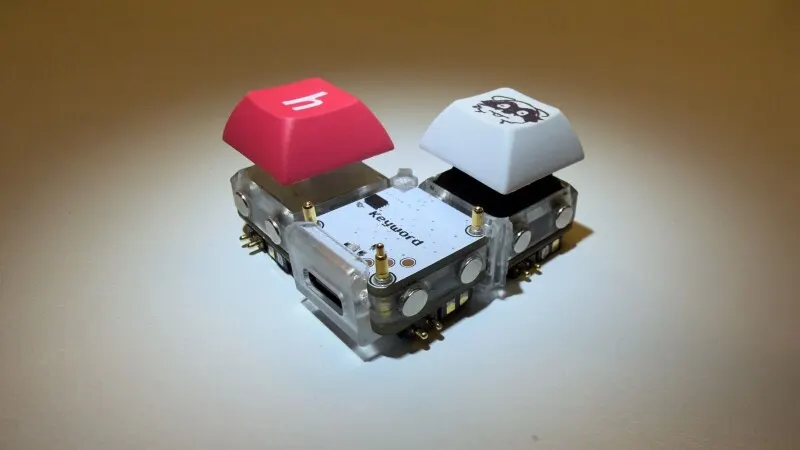
MIT aerospace engineering student Nathan Alspaugh has designed Keybytes, an open-source keyboard made from individual magnetic key modules that can be rearranged into custom layouts. Each key has its own RISC-V microcontroller and connections to neighbouring keys, making the project a highly flexible alternative to fixed keyboard designs.
A separate controller module links the keys to a computer, while the build uses custom circuit boards, Cherry MX switches and 3D-printed cases. Alspaugh says he has spent about 100 hours on the project; a full-size version could cost around $900, though he may sell improved designs later and encourages others to build their own.
In short
- Keybytes lets users rearrange individual magnetic keyboard keys.
- MIT student Nathan Alspaugh has spent about 100 hours designing it.
- A full-size build could cost around $900.
Explained simply
Most keyboards have keys fixed in place, so changing their layout usually means buying a different model or learning a new arrangement. Keybytes is an open-source project: its design can be shared and adapted, and it uses separate magnetic key modules that can be placed in different layouts.
The project was designed by Nathan Alspaugh, an aerospace engineering student at MIT, a university in the United States. Each module contains a small computer chip and connects with neighbouring keys; a separate controller sends what is typed to a computer.
The design could let people customise a keyboard for their needs, but building it involves custom electronics and 3D-printed parts. Its estimated cost at full size is high compared with many standard keyboards, so the project also raises questions about how practical and affordable a highly configurable design can be.
Americas Art Culture Fashion World
Read the full article at the source →
Originally published by The Register as “Open source keyboard lets you swap parts like magnetic Legos”.