Openreach nudges another 112 exchange areas toward full fiber
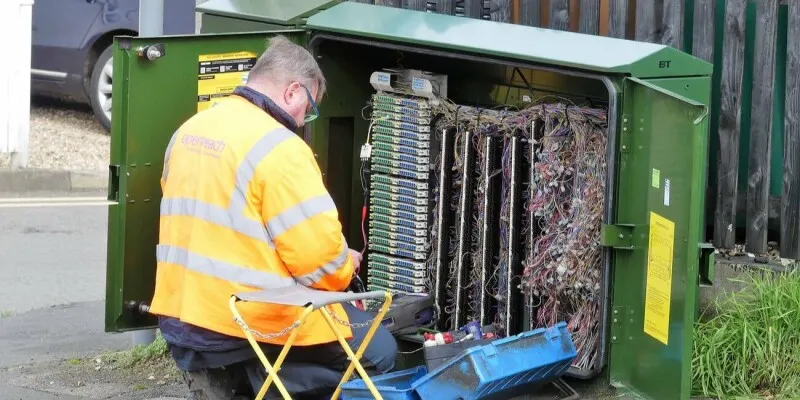
Openreach has named a further 112 telephone exchange areas where internet providers will no longer be permitted to sell traditional copper-based broadband and phone services to homes that can already access full-fibre alternatives. The move is part of BT's wholesale arm's ongoing "Stop Sell" programme, which restricts copper sales once fibre-to-the-premises (FTTP) coverage reaches a set threshold in a given area, forming part of the wider industry push to retire the ageing copper network in favour of faster, more reliable digital infrastructure.
This latest tranche, the 25th so far, is triggered once 75 percent of premises linked to an exchange can access full fibre, though this reflects availability rather than actual take-up, and existing customers without fibre access are unaffected. By 20 August, Openreach expects to have applied Stop Sell rules to 1,572 exchanges covering roughly 15.4 million premises, about 57 percent of its fibre footprint. The company says it is adding roughly a million new premises to its network every three months, targeting 25 million by the end of 2026, and is also reminding customers that the legacy analogue phone network is due to be switched off by 31 January 2027, having already been pushed back once from a 2025 deadline over concerns for vulnerable users.
In short
- Openreach adds 112 more exchanges to its copper "Stop Sell" list.
- 1,572 exchanges, 15.4 million premises, now covered by the restriction.
- Legacy copper phone network still set to close by January 2027.
Steelman: both sides, in good faith
The strongest fair case each way — we don't pick a winner.
The case for
Retiring copper in favour of modern fibre infrastructure represents necessary progress toward a faster, more reliable digital network essential for contemporary work and services. By implementing Stop Sell only once 75 percent of premises can access fibre—whilst protecting existing customers without such access—Openreach ensures viable alternatives exist before restricting legacy options. Maintaining dual ageing and modern networks is economically inefficient; this measured approach supports Britain's digital competitiveness and long-term public benefit.
The case against
Restricting sales based on fibre availability rather than actual take-up raises fairness concerns, particularly for vulnerable users and those unable to afford connections or facing unreliable service. The concurrent January 2027 analogue phone shutdown creates urgency that may disadvantage those unprepared for transition. Consumer choice matters: customers may have legitimate reasons for preferring copper, and a gradual, less prescriptive approach would allow users adequate time to migrate without coercion, avoiding hardship for those least able to bear forced infrastructure changes.
Explained simply
Openreach is the UK wholesale provider of broadband infrastructure, owned by BT. For decades, homes and businesses have received broadband and telephone services through copper cables, but these are now being phased out in favour of full-fibre connections, which deliver significantly faster and more reliable internet speeds.
Through the "Stop Sell" programme, once full-fibre coverage reaches 75 per cent of premises in a telephone exchange area, internet providers can no longer sell new copper-based broadband or phone services there. Existing copper customers without fibre access continue to be served and are not affected.
This transition is part of a broader effort to retire ageing copper infrastructure across the UK. The analogue phone network using copper cables is due to be switched off completely by 31 January 2027, and Openreach is working towards making full-fibre available to 25 million premises by the end of 2026.