Technology news and discussion on TalkFuse.
Opinion: I Think I’m Missing Something About Stellar Blade On Switch 2
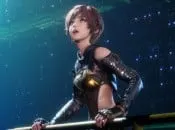
The writer found the Stellar Blade demo on Switch 2 disappointing despite expecting stylish movement and precise, Soulslike combat. They argue that deliberate input latency makes parrying and general movement feel heavy and unresponsive, which matters particularly for a game built around timing and fast action.
The Switch 2 version technically runs at 30 frames per second while using frame generation to create the appearance of smoother performance, potentially adding around 33 milliseconds of response time. The writer praised the port’s sharp visuals, enemy designs and generally effective frame generation, but criticised the combat feedback, encounters with multiple enemies and the demo’s limited characterisation and dialogue, while noting that the skill tree and full game could provide greater depth.
Steelman: both sides, in good faith
The strongest fair case each way — we don't pick a winner.
The case for
The writer’s concern is that responsiveness is central to a timing-based action game: even modest extra input delay can make parries and movement feel less precise, weakening the intended combat experience. Sharp visuals and smoother-looking motion cannot fully compensate if players feel their actions arrive late, especially when facing several enemies at once.
The case against
A demo may not show the full game’s depth, and frame generation can make a technically limited port look and feel smoother while preserving detailed visuals. Some players may find the combat weight deliberate rather than unresponsive, and the skill tree, broader encounters and fuller characterisation could change how the experience comes together beyond the demo.
Explained simply
Stellar Blade is an action game in which players control Eve, a warrior fighting hostile creatures on a ruined Earth. Its combat centres on dodging and blocking attacks, with well-timed parries creating openings to strike back.
The game was first released on PlayStation 5, and a demo lets players try part of it before buying the full version. The Switch 2 edition uses frame generation, a technique that inserts generated images to make motion look smoother; the underlying game runs at 30 frames per second.
Timing and responsiveness are central to this style of combat, so any delay between a button press and the action on screen can affect how it feels to play. The port’s performance and controls therefore matter to players deciding whether the game’s fast, precise fighting works well on the new platform.
AI Entertainment Gaming Music Technology