World news and discussion on TalkFuse.
Over 3,000 tarantulas discovered hidden inside socks in luggage at airport
Developing story first seen 5 hours ago
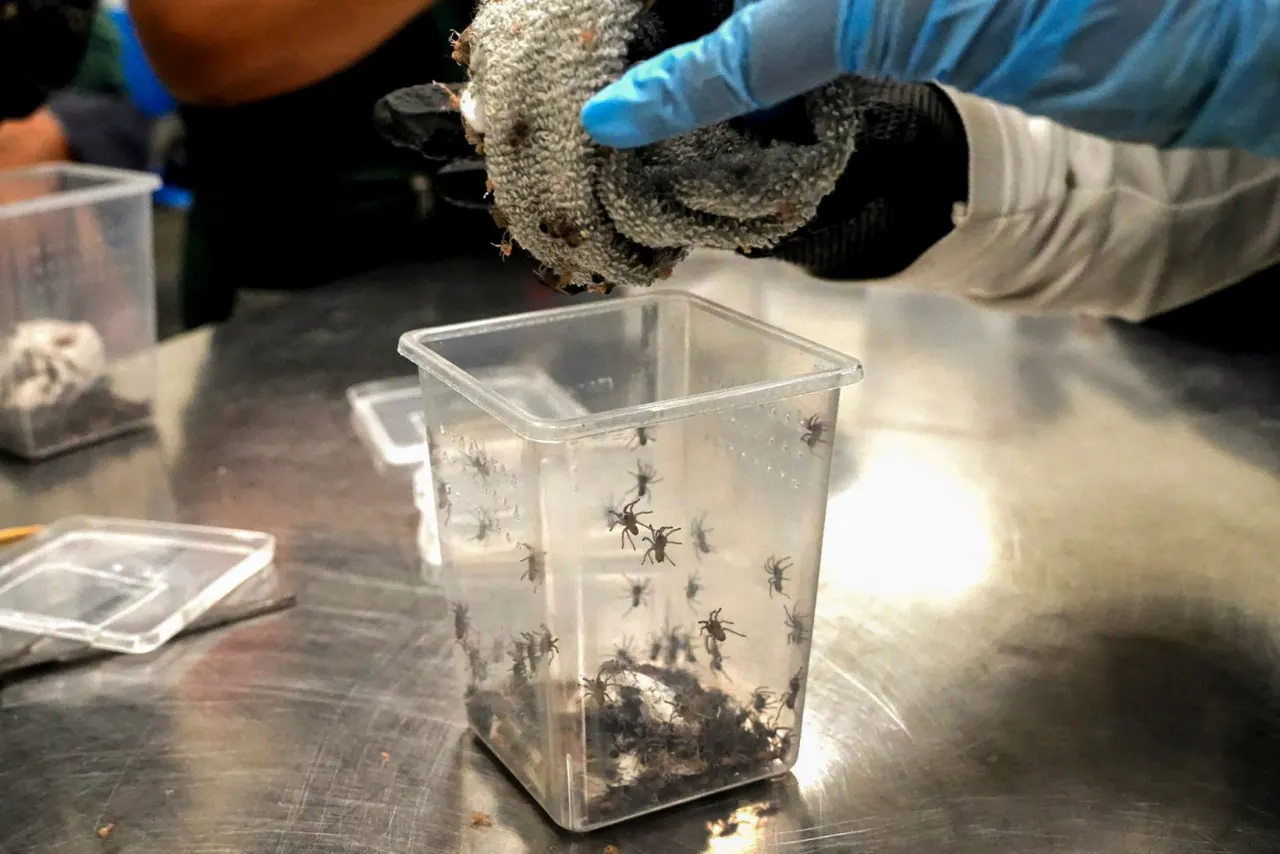
Officials in Callao, Peru, say three detained passengers allegedly planned to smuggle more than 3,000 tarantulas to Germany for sale to collectors. The case matters because the suspected trafficking involved spiders at every stage of development, from eggs to adults, and has led to prosecution proceedings.
Airport workers found the tarantulas in 15 to 20 socks in each passenger’s suitcase at Jorge Chávez International Airport, following an anonymous tip. The travellers were two Germans and one Pole; Peru’s wildlife service says the spiders’ colours and size can make them valuable to collectors. In a separate 2025 case, US officials intercepted 37 beetles hidden in snacks arriving from Japan.
- Sources
- 2
- Outlets
- 2
- Left · Centre · Right
- 1 · 0 · 1
In short
- Three passengers were detained over suspected tarantula smuggling.
- More than 3,000 spiders were hidden in socks.
- Officials believe the tarantulas were bound for German collectors.
How this story developed
- 3 hours ago Airport staff in Callao, Peru, seized more than 3,000 tarantulas concealed in socks inside the luggage of three passengers at Jorge Chávez International Airport.
- 3 hours ago Officials in Callao, Peru, say three detained passengers allegedly planned to smuggle more than 3,000 tarantulas to Germany for sale to collectors. The case matters because the suspected trafficking involved spiders at every stage of development, from eggs to adults, and has led to prosecution proceedings.
Full account
More than 3,000 tarantulas have been found concealed in luggage at Jorge Chávez International Airport in Lima, Peru. The spiders were packed into socks inside three suitcases carried by two German nationals and a Polish citizen, and were reportedly destined for Germany.
Peru’s National Forestry and Wildlife Service (SERFOR) said the animals included eggs, hatchlings and adult spiders, collected from several parts of the country. Wildlife control technician Cora Suarez told reporters that agents saw movement during an inspection. The socks are described in one account as dirty; another says the discovery followed an anonymous tip and that each passenger had 15 to 20 socks in their bag.
Authorities suspect the passengers intended to sell the tarantulas to collectors. Suarez said individual spiders could sell for about €500 in Europe, putting the possible value of the haul at around €1.5m if that estimate applied to all the animals. The three were detained by environmental crimes police and are expected to face criminal proceedings, according to SERFOR.
The reports differ on how the seizure came to light: one attributes it to a tip received by airport workers, while the other describes customs agents noticing movement during a routine inspection. One report focuses on the potential trafficking value and its broader impact on biodiversity; the other also mentions a separate 2025 seizure of live beetles concealed in snacks bound for the United States.
Where outlets differ
From the full account, which is AI-written from the sources:
One account says airport staff acted on an anonymous tip; the other says agents spotted movement during a routine customs inspection.
One report says each suitcase held 15 to 20 socks and describes the socks as dirty. The other does not give a sock count.
The reports vary in emphasis: one highlights the estimated €1.5m value and the global scale of wildlife trafficking, while the other adds an earlier beetle-smuggling case.
Left-leaning outlets 1
Only here: peru, officials, discover, smuggled, dirty
Right-leaning outlets 1
Only here: discovered, hidden, luggage
Every side used: airport, tarantulas, inside, socks
Headline columns compared word for word; nothing in them is AI-written.
Explained simply
Peru is home to many wild species, and its wildlife service oversees rules on capturing and moving animals out of the country. Tarantulas are large spiders kept by some collectors, and their appearance and size can affect their value.
Wildlife trafficking is the unauthorised capture or trade of animals, which can put pressure on wild populations and is regulated by national laws. The people detained in this case were two German nationals and one Polish national; Peruvian authorities are handling the proceedings.
Coverage · 2 sources
Bias meters
From 2 rated sources.