World news and discussion on TalkFuse.
Palestinian student jailed without charge after arrest at Jerusalem dormitory
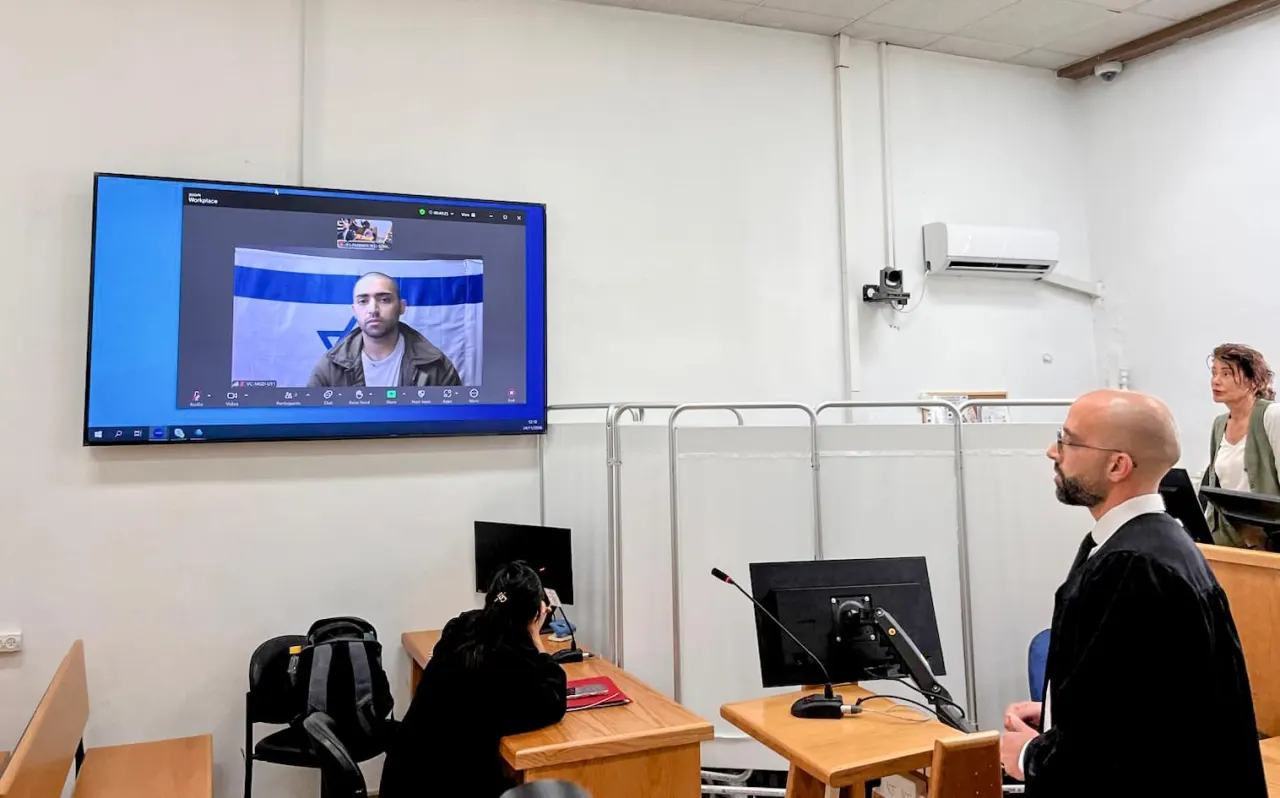
Mahdi Tunsi, a 26-year-old Palestinian student and left-wing activist, has been held without formal charges since Israeli security forces arrested him at his Hebrew University residence on 8 November. His case highlights the use of administrative detention, which allows authorities to keep people in custody without trial, and the secrecy that prevents detainees and their lawyers from knowing the evidence against them.
Authorities say Tunsi is suspected of conspiring to commit a terrorist act and have asked a court to extend his detention by six months; a judge is expected to decide in the coming days. His lawyer says questioning focused on Tunsi’s campus activism, while Tunsi reported a violent arrest and inadequate medical care in prison. His family and the university were not told of the arrest, and the court barred the university and diplomats from giving their views.
In short
- Mahdi Tunsi has been detained without charge since 8 November.
- Israeli authorities are seeking a six-month extension.
- His lawyer says questioning focused on his political activism.
Steelman: both sides, in good faith
The strongest fair case each way — we don't pick a winner.
The case for
Supporters of administrative detention argue that authorities may need to hold a person when they believe there is a serious security threat but cannot safely disclose sensitive intelligence or bring an immediate prosecution. They would say judicial review and time-limited orders can provide safeguards while helping prevent attacks and protect sources or methods.
The case against
Critics argue that holding someone for months without charge or access to the evidence makes it difficult to challenge the state’s case and risks detaining people unfairly. They would say the secrecy and limits on outside scrutiny in Tunsi’s case heighten those concerns, and that serious allegations should be tested through an open, fair trial wherever possible.
Explained simply
Administrative detention is a system used by Israeli authorities to hold people without a criminal trial, often on the basis of evidence that is not made public. Detainees and their lawyers may not be told what that evidence is, making it difficult to challenge the grounds for detention.
Mahdi Tunsi is a Palestinian student at Hebrew University and a left-wing activist. Israeli authorities say they suspect him of conspiring to commit a terrorist act; his lawyer says his questioning focused on his campus activism. His case raises questions about how security concerns, access to evidence and the rights of detainees are handled.