Culture news and discussion on TalkFuse.
Pancreatic cancer vaccine shows promise in first human trial, preventing disease in high-risk patients
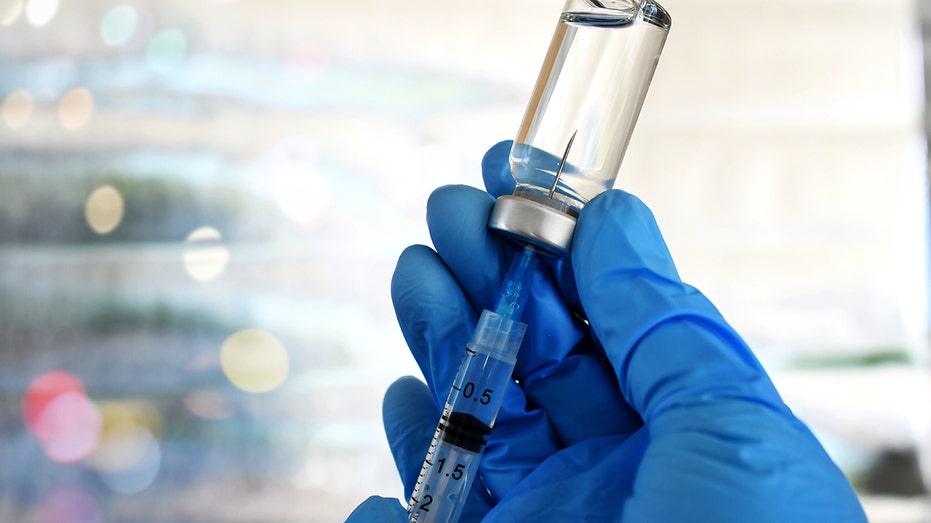
Johns Hopkins School of Medicine conducted an early-stage clinical trial for an experimental vaccine designed to prevent pancreatic cancer in high-risk populations. The phase 1 study tested mKRAS-VAX in 20 participants carrying genetic factors that increase susceptibility to pancreatic ductal adenocarcinoma, the most aggressive form of the disease.
The trial results, published in Cancer Discovery, showed encouraging signs that the vaccine approach may prevent disease development in individuals with hereditary risk. The findings represent progress toward a preventive treatment option for those genetically predisposed to pancreatic cancer, one of the deadliest malignancies.
In short
- mKRAS-VAX vaccine completed phase 1 trial at Johns Hopkins with 20 genetically high-risk participants
- Early results demonstrate potential for preventing pancreatic cancer in individuals with inherited predisposition
- Findings published in Cancer Discovery journal by the American Association for Cancer Research
Explained simply
Pancreatic cancer begins in the pancreas, an organ that helps with digestion and controls blood sugar. Pancreatic ductal adenocarcinoma is its most common and aggressive form, and it is often difficult to detect early.
Some people inherit genetic changes that raise their chance of developing the disease. Johns Hopkins researchers tested an experimental vaccine in 20 people with inherited risk; it is designed to train the immune system to recognise altered KRAS proteins, which can be involved in the growth of pancreatic cancer cells.
The study was an early safety trial, so it cannot yet show whether the vaccine prevents cancer. Its findings matter because people with inherited risk have few ways to reduce that risk, but larger and longer studies would be needed to establish whether vaccination works.
Art Culture Health Medicine World