Business news and discussion on TalkFuse.
Paramount and State A.G. to Meet Monday to Discuss Settlement of Antitrust Case
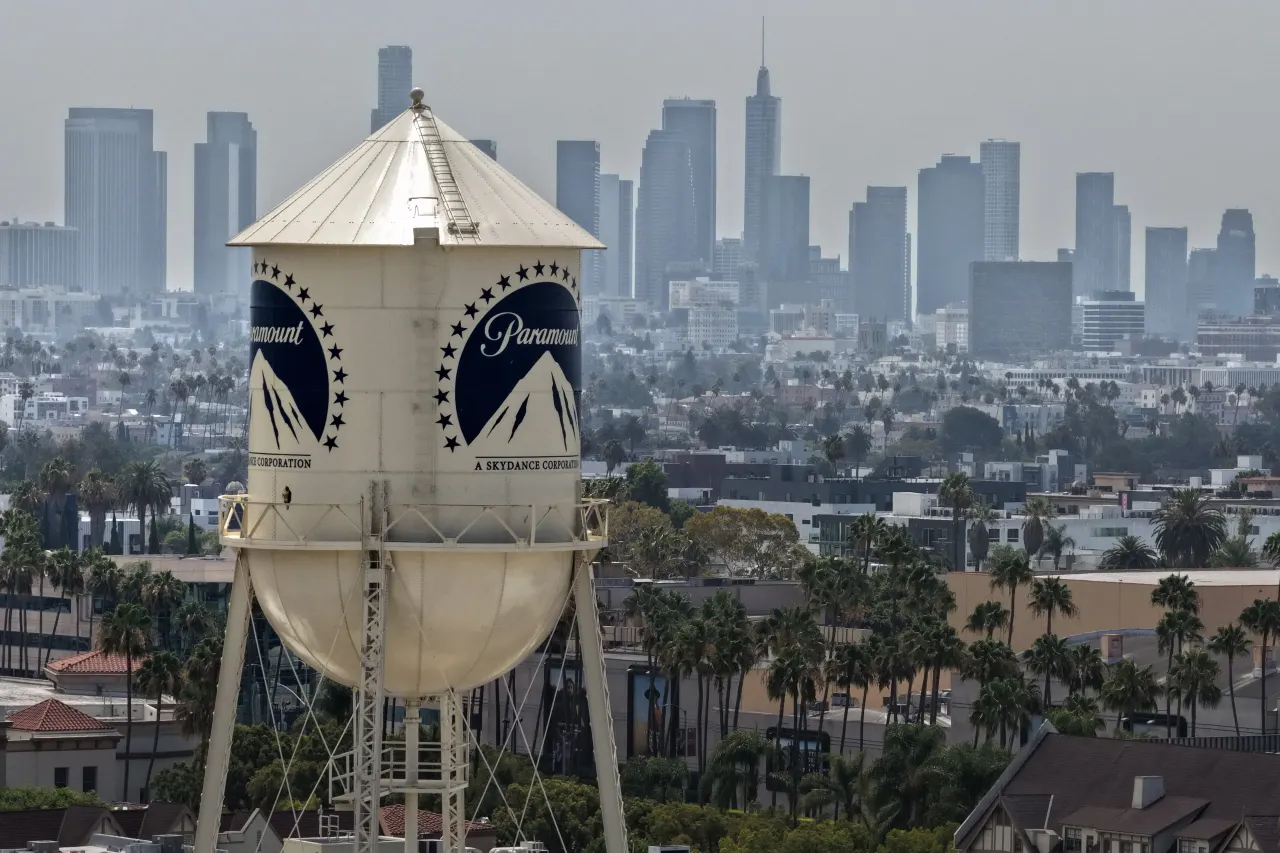
Paramount Skydance and California Attorney General Rob Bonta's office are due to meet on Monday to discuss settling the state antitrust case blocking Paramount's $111 billion merger with Warner Bros. Discovery. The deal is currently frozen pending a March trial in federal court in Oakland, and pressure to reach a negotiated settlement has been building from unions, a state governor and cinema operators alike.
Bonta led a 12-state coalition that sued in July, arguing the merger would improperly narrow competition in theatrical distribution and basic cable, since it would combine two of Hollywood's five major studios and two of the top three cable programmers. He has said he is open to talks but that Paramount has not yet offered adequate structural remedies, dismissing the studio's behavioural pledges—such as releasing 30 films a year for three years and keeping them exclusively in cinemas for 45 days—as historically unenforceable. A judge has asked both sides to name potential magistrates for mediation by next Wednesday, while Governor Gavin Newsom, the Directors Guild of America, IATSE, Los Angeles Mayor Karen Bass and cinema trade group Cinema United have all voiced support for a settlement; the Writers Guild of America, which has filed a related suit set for the same March trial, would also need to be part of any broader resolution.
In short
- Paramount and California AG meet Monday over $111bn Warner Bros merger dispute
- Deal on hold pending March trial; AG wants stronger remedies than pledged
- Governor, unions and cinema group are pushing both sides toward a settlement
Steelman: both sides, in good faith
The strongest fair case each way — we don't pick a winner.
The case for
The merger would create operational efficiencies and innovation benefits whilst competition persists through other major studios and streaming services that have fundamentally reshaped the entertainment landscape. Behavioural remedies such as mandatory theatrical releases and film quotas can effectively address competition concerns without destroying value, and the broad support for settlement from unions, workers, cinema operators and state leadership reflects confidence that carefully negotiated terms would protect consumer and industry interests.
The case against
Combining two of only five major studios and two of the top three cable programmers materially concentrates market power in theatrical distribution and programming, reducing negotiating leverage for independent cinemas and cable distributors. Behavioural remedies have a poor historical record of protecting competition long-term, as compliance is difficult to enforce, whereas structural solutions permanently alter incentive structures; accepting inadequate remedies would establish precedent for further consolidation in an already concentrated industry.
Explained simply
Paramount and Warner Bros. Discovery are large entertainment companies that make films and run television channels. Paramount Skydance is seeking to combine the two businesses in a merger, which would bring their studios and cable programming under common ownership.
California Attorney General Rob Bonta is leading a group of states challenging the deal under antitrust law, which aims to protect competition. The states argue that combining two major studios and cable operators could reduce choices and competition in those markets.
The case matters to film-makers, cinema operators, television viewers and workers whose industries could be affected by the merger. The Writers Guild of America has brought a related case, so a wider resolution would involve more than Paramount and the state.
Business Companies Research Science