Pauline Hanson refuses to back down against Mehreen Faruqi and plots new legal move to clear her name after losing battle over tweet
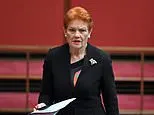
One Nation leader Pauline Hanson has announced plans to seek special leave to appeal to Australia's High Court after losing a Federal Court battle over a 2022 social media post telling Greens senator Mehreen Faruqi to "pack your bags and piss off back to Pakistan". The Full Federal Court ruled the post breached section 18C of the Racial Discrimination Act, which prohibits conduct that offends, insults, humiliates or intimidates someone because of their race or ethnicity. Hanson is framing the appeal as a free speech issue, arguing the law unfairly restricts political debate and that ordinary Australians are increasingly afraid to voice opinions on contentious topics for fear of legal action.
The dispute began in September 2022 when Faruqi, who was born in Pakistan, criticised Queen Elizabeth II following the monarch's death, prompting Hanson's response online. The Full Federal Court found the comments breached section 18C while also acknowledging they were close to the core of protected political communication. Hanson said she wants the High Court to rule on whether the section properly balances protection against racial discrimination with the constitutional freedom of political communication, insisting the case is about ordinary citizens' right to debate freely rather than special protection for politicians.
- Hanson to seek High Court appeal over Faruqi racial discrimination ruling.
- Case stems from 2022 tweet telling Faruqi to leave Australia.
- Hanson argues section 18C unfairly limits free political speech.
New here? Start with this
Pauline Hanson is the leader of the One Nation political party in Australia, known for her outspoken views on immigration and national identity. Mehreen Faruqi is a Greens senator who was born in Pakistan and moved to Australia as a young woman. The two have clashed publicly since 2022, when Hanson responded to online comments Faruqi made about the late Queen Elizabeth II with a post telling her to leave the country.
Faruqi took legal action over that post, arguing it breached a law known as section 18C of the Racial Discrimination Act, which makes it unlawful to offend, insult, humiliate or intimidate someone because of their race or ethnicity. Australia's Federal Court agreed, finding against Hanson, even though it accepted the remarks touched on the kind of political debate normally given strong protection under the law.
This matters because it raises a broader question that comes up often in Australian public life: how to balance laws against racial discrimination with the principle, built into the constitution, that people should be free to discuss political matters openly. Hanson wants Australia's highest court, the High Court, to weigh in on where that balance should sit, which could have consequences well beyond her own case.
Both sides, in good faith
The strongest fair case each way — we don't pick a winner.
The case for
Advocates for Hanson's position argue that robust democratic debate depends on wide latitude for political speech, even when it is blunt, offensive or poorly judged, and that laws like section 18C risk chilling ordinary citizens from voicing strong opinions for fear of legal consequences. They contend the courts themselves acknowledged the remarks sat close to protected political communication, so a High Court test case is a legitimate way to clarify where the constitutional freedom to discuss public affairs, including the monarchy and its critics, ends and racial vilification law begins. On this view, elected representatives should be able to respond forcefully to one another without automatically falling foul of discrimination statutes designed for different harms.
The case against
Supporters of the Federal Court's ruling argue that telling someone to 'pack your bags and piss off back to' their country of birth is not ordinary political disagreement but a well-recognised form of racial abuse that singles a person out because of their ethnicity rather than their views. They emphasise that section 18C exists precisely to protect people, including politicians and especially those from minority backgrounds, from being demeaned on racial grounds in public life, and that courts already weigh free speech carefully before finding a breach. From this perspective, allowing such language to be excused as political communication would weaken protections against racial vilification and send a discouraging signal to public figures from migrant backgrounds who face similar abuse.