‘Penchant for bling’: can Sports Direct’s Mike Ashley take a bigger slice of luxury retail?
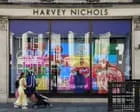
Frasers Group founder Mike Ashley has bought Harvey Nichols out of administration and raised his stake in Hugo Boss to 48%, extending a luxury retail portfolio that already includes Flannels, House of Fraser and stakes in Mulberry and Burberry. The moves matter because they test whether Ashley’s bargain-led acquisition strategy can succeed in a high-end market weakened by reduced discretionary spending and fewer overseas shoppers travelling to Europe.
Ashley has expanded Flannels to around 75 stores and may convert some of Harvey Nichols’ five UK branches outside London into Flannels sites. However, suppliers may be cautious: Frasers bought Matchesfashion for £52m in late 2023 before putting it into administration months later, leaving designer brands owed millions, while House of Fraser has shrunk from 60 stores to five since its 2018 rescue. Harvey Nichols has 13 stores and employs about 1,200 people.
- Ashley expands his luxury retail holdings with Harvey Nichols.
- Frasers seeks value amid a difficult luxury market.
- Previous rescues raise concerns for suppliers.
New here? Start with this
Mike Ashley built Sports Direct into one of Britain’s largest sportswear retailers, mainly by selling well-known brands at discounted prices. His Frasers Group has since expanded beyond sportswear, buying struggling high-street names including House of Fraser and building the Flannels chain, which sells designer fashion.
Luxury retail includes expensive clothing, accessories and beauty products sold by brands such as Hugo Boss, Mulberry and Burberry. It depends heavily on customers having spare money to spend and, in Britain, on tourists who travel to shop in major cities, especially London.
Harvey Nichols is a long-established department store known for luxury fashion, beauty and food. Ashley’s approach has often involved buying businesses in difficulty and cutting costs or changing stores, so designers, staff and landlords will be watching to see how the group treats another established luxury name.
Both sides, in good faith
The strongest fair case each way — we don't pick a winner.
The case for
Ashley’s supporters can argue that his capital, operational discipline and willingness to invest when others retreat give established luxury names their best chance of survival and renewal. Frasers has built Flannels into a substantial premium retailer, while Harvey Nichols could benefit from its distribution, property expertise and customer base, preserving jobs and brands that might otherwise be lost. They would say that adapting underperforming regional sites and securing influence in labels such as Hugo Boss is pragmatic stewardship in a difficult market.
The case against
Critics can reasonably contend that luxury retail depends on long-term trust with designers, staff and affluent customers, which a bargain-acquisition model may struggle to provide. The collapse of Matchesfashion after Frasers’ purchase, and the sharp contraction of House of Fraser, give suppliers grounds to fear unpaid bills, reduced choice and damage to carefully cultivated brand positioning. They would argue that converting or rationalising stores may protect some value, but could weaken Harvey Nichols’ distinctive identity and further concentrate power in a sector already under strain.