PlayStation’s Shift to Digital-Only Gaming Renews Consumer Ownership Concerns
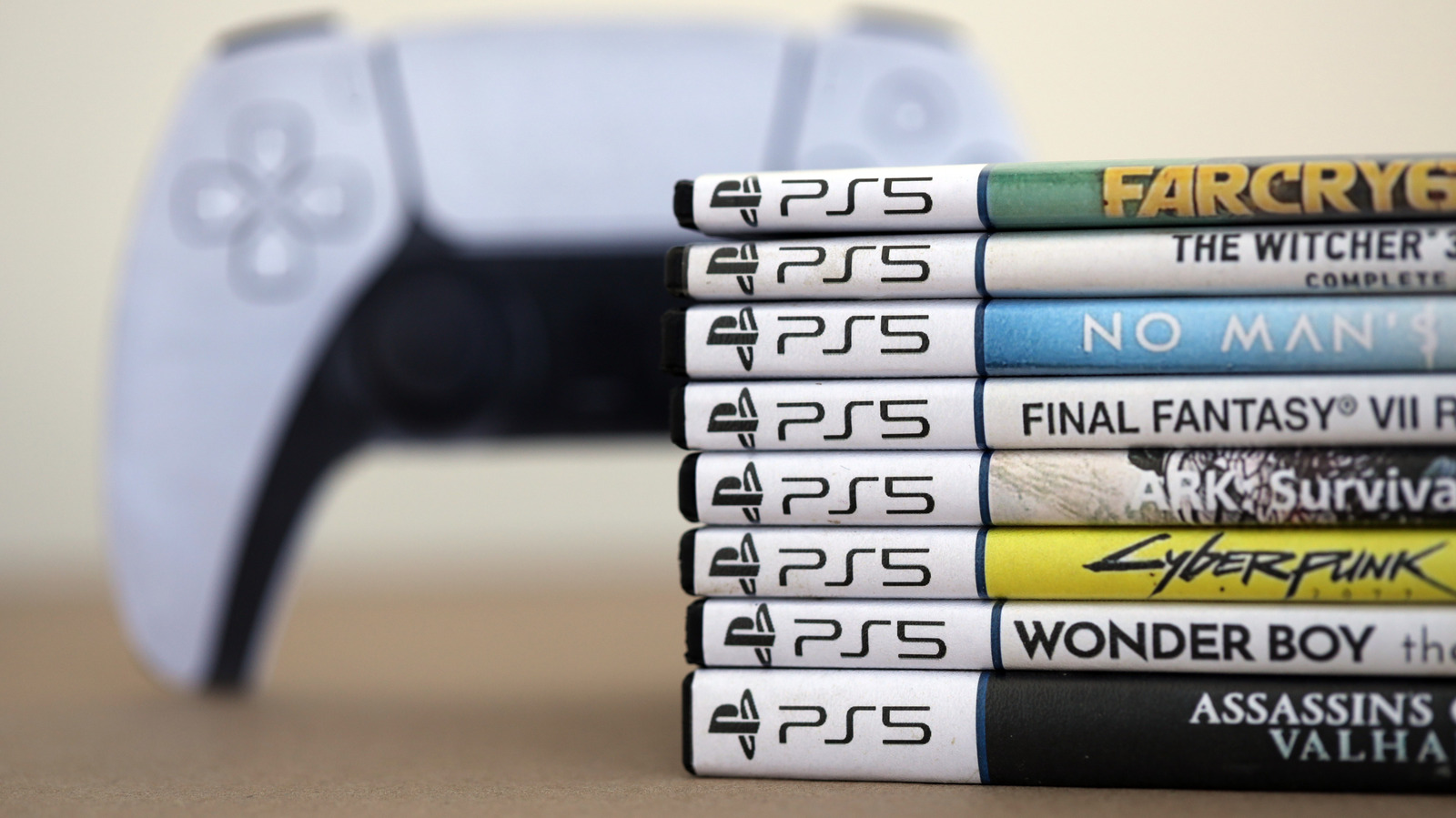
Sony has announced plans to phase out physical game disc support for PlayStation, signalling a move toward entirely digital game distribution. The decision has drawn criticism from consumer advocates who argue the transition prioritises corporate interests over player rights and raises questions about long-term access to games once purchased.
The announcement has prompted broader industry commentary about the implications of digital-only gaming models. Critics highlight concerns around permanent game availability—pointing out that digital titles can be delisted from storefronts—and emphasise that physical ownership has traditionally offered protection against such corporate actions. The debate reflects growing tension between convenience-driven distribution and the preservation of player autonomy in an increasingly service-oriented gaming landscape.
- Sony is ending physical PlayStation disc support and transitioning to digital-only distribution
- Critics argue the shift undermines consumer ownership rights and complicates game preservation
- Digital-only models raise concerns about permanent access to games and platform dependency
New here? Start with this
Sony has revealed it will stop supporting physical discs on PlayStation consoles, meaning future purchases will need to be made digitally rather than as a physical copy bought in a shop or sent by post. This marks a shift away from a model that has existed since the earliest games consoles, where owning a disc meant owning a permanent, transferable copy of a game.
The change has alarmed consumer groups, who point out that digital games are not truly "owned" in the same way. Instead, they are typically licensed through an online store, which means a publisher or platform holder can remove a title from sale, alter it, or in theory make it unplayable if support is withdrawn. Physical discs have long acted as a safeguard against this, letting players keep and resell games regardless of what happens to the digital storefront.
The issue matters beyond PlayStation because it reflects a wider trend across the games industry, and other sectors such as film and music, toward digital and subscription-based access rather than outright ownership. As one of the largest console makers, Sony's approach is likely to influence how other companies handle the same question, making this a test case in the broader debate over what consumers actually get when they "buy" digital media.
Both sides, in good faith
The strongest fair case each way — we don't pick a winner.
The case for
Digital-only distribution offers genuine advantages in convenience, environmental impact, and cost efficiency. Publishers can deliver games instantly to a global audience without manufacturing or logistics overhead, potentially enabling lower prices and faster updates. Modern internet infrastructure now supports seamless digital access for most consumers, whilst digital platforms enable live services, community features, and ongoing support that physical media cannot provide. The shift reflects the natural evolution of distribution technology and consumer expectations.
The case against
Digital-only models fundamentally alter the consumer's relationship to purchased games, converting ownership into a revocable license dependent on corporate decisions. History demonstrates that games are regularly delisted from digital storefronts, rendering them permanently inaccessible regardless of purchase history. Physical media provides the only genuine protection against such corporate control, preserves access for those without reliable internet, and enables consumer rights like resale and gifting. The long-term preservation of gaming culture depends on maintaining archival copies beyond corporate platforms, which history shows are ephemeral.