‘Pokémon’ Officially Brings Back a Forgotten Version of Pikachu
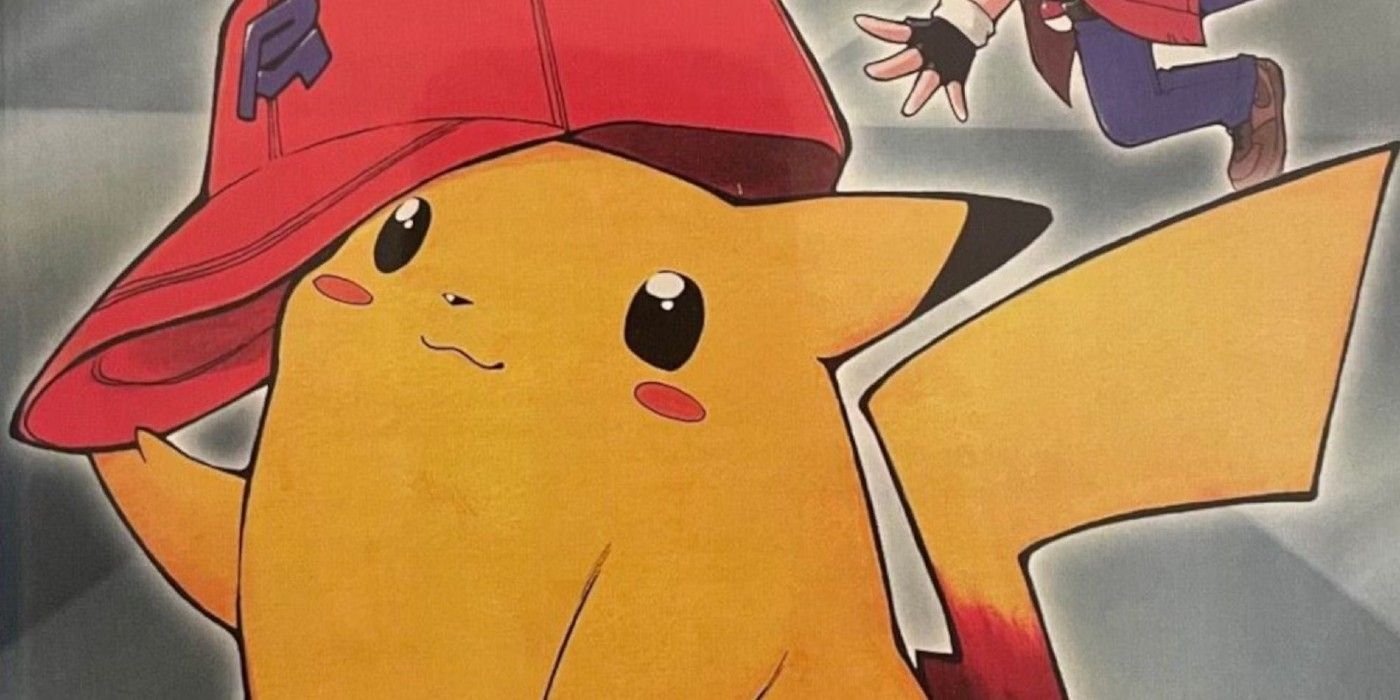
The Pokémon Trading Card Game is set to mark the franchise’s 30th anniversary with a celebratory card collection featuring a return of Pikachu’s early, rounder design, widely known by fans as “fat Pikachu”. The card matters as a nostalgic reference to the character’s original appearance in the Game Boy games and the 1999 Western Base Set, reflecting the franchise’s long-running appeal across games and trading cards.
The anniversary set is due to arrive in about a month, following recent Mega Evolution-themed releases linked to Pokémon Legends: Z-A and its Mega Dimension DLC. The new “fat Pikachu” card will be illustrated by Ken Sugimori and released in both foil and non-foil versions; it recalls Pikachu card number 58/102 from the original US Base Set, illustrated by Mitsuhiro Arita.
- Anniversary set revives Pikachu’s original rounder design.
- Card will have foil and non-foil editions.
- Release celebrates 30 years of Pokémon.
New here? Start with this
Pokémon is a Japanese media franchise built around fictional creatures that people collect, train and battle. Pikachu, an electric-type Pokémon and the mascot of the series, first appeared in the original Game Boy games in the 1990s and later became widely recognised through television, films, video games and trading cards.
The Pokémon Trading Card Game lets players collect cards featuring different Pokémon and use them in battles. Its early English-language Base Set, released in 1999, helped turn the cards into a major international phenomenon, and some original designs have become especially familiar to long-term collectors.
Pikachu’s appearance has changed slightly over the years, becoming slimmer than its earlier, rounder design. References to that older version are commonly used by fans as a nostalgic link to the franchise’s early games and card releases.