Popular square outside the late Queen’s favourite hotel is overrun by ‘aggressive’ rough sleepers who terrorise locals and tourists
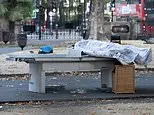
Grosvenor Gardens, a square close to Victoria station in London, has reportedly been taken over by rough sleepers, with locals and tourists describing aggressive behaviour that has left them feeling intimidated. The site sits in the shadow of The Goring Hotel, an £800-a-night establishment favoured by the late Queen Elizabeth II, and lies just over a mile from Prime Minister Andy Burnham's Downing Street residence, adding political resonance given Burnham made tackling rough sleeping his first policy pledge on taking office.
When Daily Mail reporters visited the triangular patches of land that make up the square, they found dozens of homeless people wrapped in blankets occupying the space. The report frames the situation as a test of the government's homelessness pledge, highlighting the contrast between the area's affluent surroundings and the scale of rough sleeping now visible there.
- Grosvenor Gardens near Victoria station overrun by rough sleepers
- Square sits near Queen's favoured Goring Hotel
- Near PM Burnham's home, undercutting his rough sleeping pledge
Both sides, in good faith
The strongest fair case each way — we don't pick a winner.
The case for
Residents, shopkeepers and hotel staff who raise concerns have a legitimate stake in a public square that feels safe and usable for everyone, including elderly locals and visiting tourists. Reasonable advocates for stronger action argue that persistent aggressive behaviour, drug use or intimidation is a public order and safety issue distinct from homelessness itself, and that failing to address it does a disservice both to the wider public and to the vulnerable people camped there who may need urgent medical, mental health or addiction support rather than being left unmanaged. They call for a properly resourced response – outreach workers, health services and, where necessary, enforcement – rather than simply allowing a square to become an unmanaged encampment.
The case against
Homelessness charities and their supporters would argue that people sleeping rough in Grosvenor Gardens are themselves in crisis, often pushed there by a shortage of affordable housing, cuts to hostel and mental health provision, and gaps in the benefits system, and that framing them as a menace to be cleared away risks criminalising poverty rather than solving it. They would contend that language like 'terrorise' can stigmatise an entire vulnerable population based on the actions of a few, and that lasting solutions – stable housing, addiction and mental health treatment, and welfare support – are more humane and effective than dispersal or policing, even if they are slower and less visible than removing an encampment from a wealthy postcode.