Portugal enacts ‘burqa law’ largely prohibiting face coverings in public
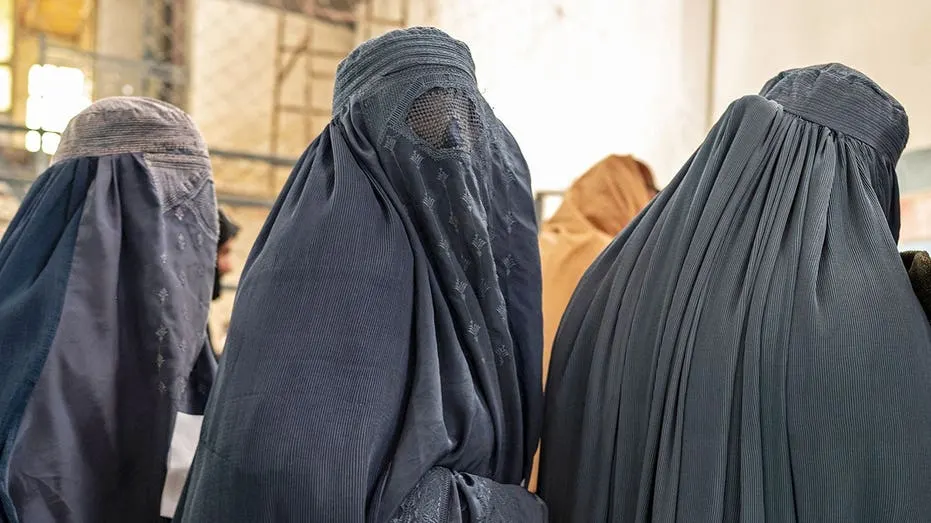
Portugal's President António José Seguro has enacted a law that largely bans covering one's face in public, a measure widely seen as targeting garments such as the burqa worn by some Muslim women. The move follows similar restrictions already in place in several other European countries and reflects an ongoing debate across the continent over religious dress, public security and integration.
The law includes a number of exemptions, permitting face coverings for health, professional, artistic or weather-related reasons, as well as in places of worship, diplomatic missions and on aircraft. Those found in breach of the ban face fines ranging from 150 to 3,000 euros, roughly $175 to $3,500.
- Portugal's president signs law banning most public face coverings
- Widely seen as targeting Islamic veils such as the burqa
- Exemptions apply for health, work, weather and religious sites
- Fines range from 150 to 3,000 euros for violations
New here? Start with this
A burqa covers the whole face and body, while a niqab covers the face but leaves the eyes visible; some Muslim women wear these garments for religious or personal reasons. Face coverings can also be worn for health, work or protection from the weather.
Across Europe, governments have debated whether people should be allowed to cover their faces in public, citing concerns such as security and social integration. Portugal’s law sits within that wider debate, which also involves questions about religious freedom and how rules apply to different kinds of face coverings.
Both sides, in good faith
The strongest fair case each way — we don't pick a winner.
The case for
Supporters argue the law serves legitimate public security and social integration interests, as full face coverings impede identification necessary for law enforcement and public safety. They contend that visible faces are fundamental to social cohesion in shared public spaces and that a neutral prohibition treating all citizens equally—rather than exempting religious dress—upholds the secular principle that no group receives special privileges based on faith.
The case against
Critics contend the law violates religious freedom and women's autonomy, even if framed as neutral, because it effectively targets a specific religious practice and removes women's choice to dress according to their beliefs. They argue that many women choose face coverings freely and that banning them under the guise of integration amounts to majoritarian pressure on minorities, undermining the fundamental purpose of rights protections in a diverse society.