Prince Harry and Meghan Plan UK Return After Six Years, Prompting Royal Realignment and Security Debate
Developed over time first seen 2 months ago
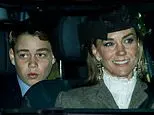
Prince Harry and Meghan have been preparing to move back to the UK after six years based in Montecito, California, a shift that reignited a political row over whether taxpayers should fund their security, potentially costing around £5 million a year. Former home secretary David Blunkett proposed a "middle-ground" compromise: limited, temporary protection involving one or two officers, reviewable later depending on the assessed threat level, rather than either full round-the-clock coverage or none at all, framing it as a reasonable stopgap while circumstances settled.
The debate exposed familiar political divides, with Labour's Dame Emily Thornberry and Tory leader Kemi Badenoch arguing that Harry's status as the King's son and his public profile justified protection, while Labour peer Lord Foulkes and Andy Burnham countered that the wealthy couple should fund their own arrangements as a private matter. Other non-working royals, including Peter Phillips, Zara Tindall and Princesses Beatrice and Eugenie, do not receive police protection, a comparison critics used to question special treatment for the Sussexes. Confusion persisted over the length of the planned stay, with a source close to the couple suggesting it could last as little as six months, while the Home Office declined to comment on any private security arrangements, leaving the matter unresolved.
- Harry and Meghan plan a UK return after six years in California.
- Blunkett proposed limited, temporary royal security as a compromise.
- Politicians split over whether taxpayers should foot the security bill.
New here? Start with this
Prince Harry and Meghan, the Duke and Duchess of Sussex, stepped back from royal duties in 2020 and have lived in Montecito, California, ever since. They are now said to be planning to move back to the UK, which has revived a long-running argument about who should pay for their protection when they are in the country.
The core dispute is over police security. Full-time protection for the couple could cost several million pounds a year, and there is disagreement over whether this should come from public funds, given they no longer carry out official royal duties, or whether the family should cover the cost privately, as some other non-working royals effectively do. Politicians from different parties are divided, with some arguing Harry's position as the King's son warrants state protection and others saying it is a private matter for a wealthy couple to fund themselves.
Decisions on this kind of protection are handled by a specialist committee that assesses threat levels, working alongside the Home Office, which oversees policing. The outcome matters because it touches on wider questions about the cost and fairness of royal security, the couple's relationship with the rest of the royal family, and how a senior royal who has left official duties should be treated on his return.
Both sides, in good faith
The strongest fair case each way — we don't pick a winner.
The case for
Supporters of continued state-funded protection argue that Harry remains the son of the reigning monarch and a permanent target for hostile actors regardless of his working-royal status, so the threat assessment, not personal preference, should determine coverage. They point to precedent for former principals retaining some protection when risk warrants it, note that Ravec's professional threat review exists precisely to keep such decisions above politics, and argue that a modest, reviewable arrangement like Blunkett's proposal protects both public safety and the Crown's reputation at proportionate and controllable cost.
The case against
Critics argue that Harry and Meghan voluntarily relinquished official royal duties and moved abroad specifically to build financially independent lives, so it is inconsistent to expect taxpayers to fund security many years later, especially given their substantial private wealth from media deals. They note that other non-working royals such as Zara Tindall and Princesses Beatrice and Eugenie receive no police protection despite comparable bloodline proximity, and contend that public money is better reserved for those actively fulfilling constitutional duties, with private security a reasonable and available alternative for a couple of their means.
Coverage
- Daily Mail — A royal show of unity: Smiling Kate attends church service with William, children and rest of family near Balmoral ahead of Harry and Meghan’s shock return to Britain
- Daily Mail — It’s Team Sussex vs Team Wales: The arrival of Harry and Meghan will see England’s smart set divide into two royal courts… and this is exactly which side everyone from Princess Eugenie to the Beckhams will pick
- Daily Mail — David Blunkett says Prince Harry and Meghan Markle should get a ‘limited’ level of royal security