Australia’s privacy regulator investigates maker of smartglasses app amid data concerns
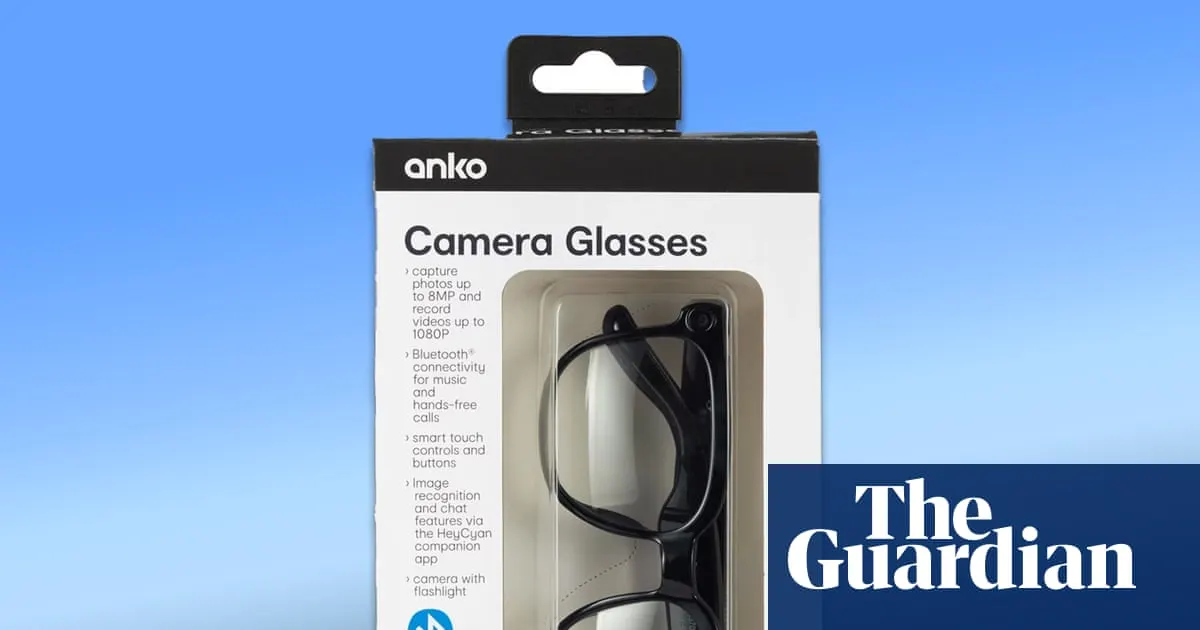
Australia's privacy regulator has launched an investigation into Shenzhen Qingcheng, a China-based company behind the HeyCyan app used in Kmart's discounted Meta smartglasses, after the company failed to respond to official inquiries. The glasses generated significant controversy following reports of their covert recording capabilities, prompting a 55,000-strong petition, council bans in public spaces and federal government consideration of workplace restrictions. The retailer has since removed the devices from its website.
Privacy Commissioner Carly Kind opened the investigation specifically into Shenzhen Qingcheng due to their non-response and concerns arising from third-party analysis of the technology and the entity's privacy policy. The commissioner highlighted a gap in current privacy law, which only applies to companies and Commonwealth agencies, not individuals using the devices. The government is considering reforms that would replace the existing test for personal information collection with a "fair and reasonable" test, with research from the University of Sydney showing that approximately 60 per cent of interactions captured in smartglasses videos between 2023 and 2026 demonstrated potential harassment.
- Australian privacy watchdog investigating Chinese company behind Kmart smartglasses app
- Glasses removed from sale after public outcry over covert recording capabilities
- Government considering privacy law reforms to address surveillance wearables
New here? Start with this
Smartglasses sold at Kmart as discounted Meta devices can secretly record video of everyone around the wearer. This covert recording capability raised immediate concern because people being filmed cannot tell when they are being recorded and cannot give their consent.
The discovery triggered significant public alarm, with over 55,000 people signing a petition against the devices and some local councils banning them from public spaces. The broader issue is that Australia's privacy laws only regulate companies and government agencies, not individuals using consumer devices, which creates a gap in protections.
The government is now considering legal reforms to address this gap, particularly around workplace recording. Research has shown that many videos captured by these smartglasses contain content that could constitute harassment, strengthening the argument for tighter legal protections.
Both sides, in good faith
The strongest fair case each way — we don't pick a winner.
The case for
Supporters of stronger regulation emphasise that non-consensual recording fundamentally violates privacy and dignity. The University of Sydney research documenting potential harassment in 60 per cent of captured interactions demonstrates measurable harm, whilst the 55,000-strong petition and council-level bans reflect widespread public concern. Current privacy law's failure to protect individuals from covert recording represents a genuine regulatory gap that leaves vulnerable people defenceless. They argue that when a company ignores official inquiries, strict regulation is necessary to protect citizens from an unaccountable technology.
The case against
Those cautious about heavy-handed restriction contend that smartglasses offer legitimate benefits for communication and workplace applications, and that banning or severely restricting emerging technology risks stifling innovation. They argue the problem lies with misuse by bad actors rather than the technology itself, suggesting targeted enforcement against the company's non-compliance, user education about ethical recording practices, and market-based solutions may be more proportionate. Some note that the harassment metric requires context—not all recording causes harm—and worry that focusing on a Chinese company specifically could reflect protectionist economic thinking rather than principled privacy protection.
Art Asia Business Companies Culture Software Technology World
Read the full article at the source →
Originally published by The Guardian as “Privacy watchdog launches investigation into China-based company behind Kmart ‘pervert glasses’ app”.