Technology news and discussion on TalkFuse.
Prix Goncourt winner Philippe Jaenada winner touts using AI
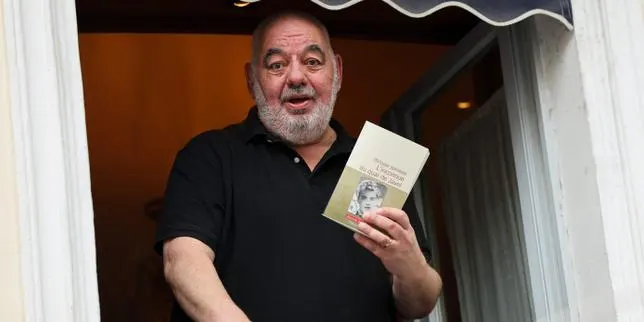
Philippe Jaenada, newly awarded the Prix Goncourt, has said he used artificial intelligence three times while writing his winning novel. His disclosure has renewed debate about AI in literature, coming amid controversy over a different author whose book was dropped from prize consideration over suspicions of AI use.
Jaenada said he used ChatGPT to insert a sentence as a game for readers, to satirise the chatbot’s absurd replies to a technical question, and for research. He has told the Goncourt jury which sentence was generated but has not identified it publicly. Jaenada argues that writers should acknowledge and learn to use AI without allowing it to replace them.
In short
- Jaenada says he used AI three times in his Goncourt-winning novel.
- One ChatGPT sentence was included as a game for readers.
- His admission revives debate over AI and literary authorship.
Steelman: both sides, in good faith
The strongest fair case each way — we don't pick a winner.
The case for
Writers have always adopted new tools, and using AI for research, experimentation or a clearly bounded passage need not diminish a novel if the author remains responsible for its choices and meaning. Jaenada’s disclosure and his account of telling the jury which sentence was generated support the view that transparent, limited use can coexist with literary authorship and help writers engage critically with the technology.
The case against
Literary prizes recognise not only the finished text but also the author’s creative labour, so even limited AI-generated prose may raise questions about originality and fair comparison with writers who did not use it. Disclosure to a jury may not settle readers’ concerns when the generated sentence remains unidentified publicly, and AI use for research can also blur the line between a writer’s own judgement and machine-produced material.