World news and discussion on TalkFuse.
Protesters call for regime change in Iran following deadly crash that killed 13 oil and gas workers
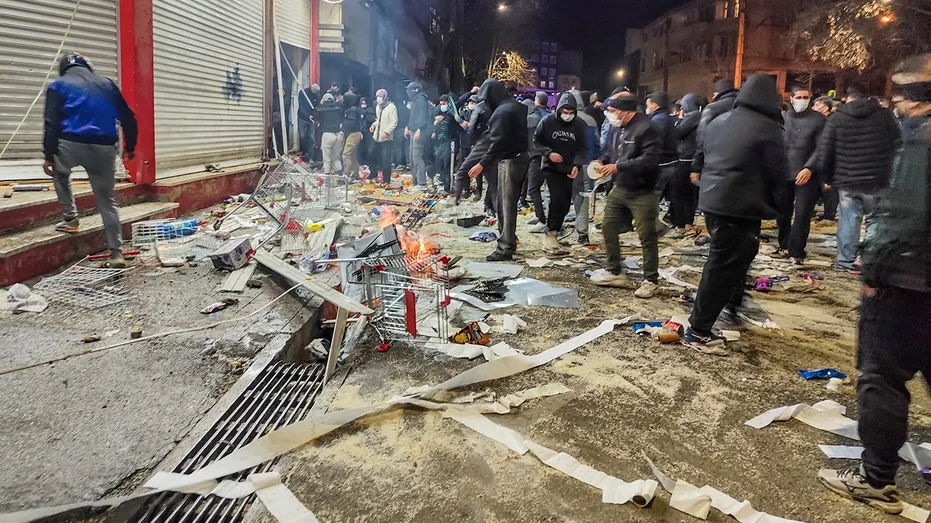
Hundreds of people protested in Abdanan, western Iran, after a bus crash killed 13 oil and gas workers. The gathering began with demands for accountability over the accident, then broadened into opposition to Iran’s leadership, with chants against the “dictator” and calls from some for the return of the Pahlavi monarchy.
The crowd grew from about 200 to 300 people to roughly 1,000, according to Iran’s Fars news agency. Rights groups reported at least seven arrests, including a 15-year-old; two detainees were released, while five others’ whereabouts were unknown. Reports said security forces used tear gas and internet access was disrupted. Investigators cited possible driver negligence, problems with the bus contract and inadequate road barriers, while legal proceedings have begun and responsibility has not been established in court.
In short
- A deadly bus crash killed 13 workers in western Iran.
- Protests over accountability grew into anti-government demonstrations.
- Rights groups reported arrests, tear gas and disrupted internet.
Steelman: both sides, in good faith
The strongest fair case each way — we don't pick a winner.
The case for
The crash and reports of weak safety arrangements give residents reason to demand a transparent investigation, accountability and better protections for workers. For those who see the authorities as unresponsive or illegitimate, broadening the protest into calls for political change may seem a way to press for lasting reform and give people a greater say in how they are governed.
The case against
A deadly accident warrants a careful investigation and fair legal process, but responsibility has not yet been established, so protesters should avoid treating suspicion as proof. Those wary of regime change may argue that political upheaval carries serious risks for public order and livelihoods, and that improving safety and securing accountability through established channels is a more responsible course.
Explained simply
Iran’s president and elected officials operate within a political system where ultimate authority rests with the Supreme Leader, supported by powerful security institutions. The Pahlavi family ruled Iran until the 1979 revolution, which ended the monarchy and established the Islamic Republic.
Abdanan is in western Iran, where oil and gas work is an important source of employment. A fatal workplace transport crash can raise questions about safety standards and who is responsible, while public criticism of the country’s leadership can carry risks for those taking part.