Publicis Groupe, 3 Arts, Travis Kelce Launch Venture to Help Advertisers Strike Deals With College Athletes
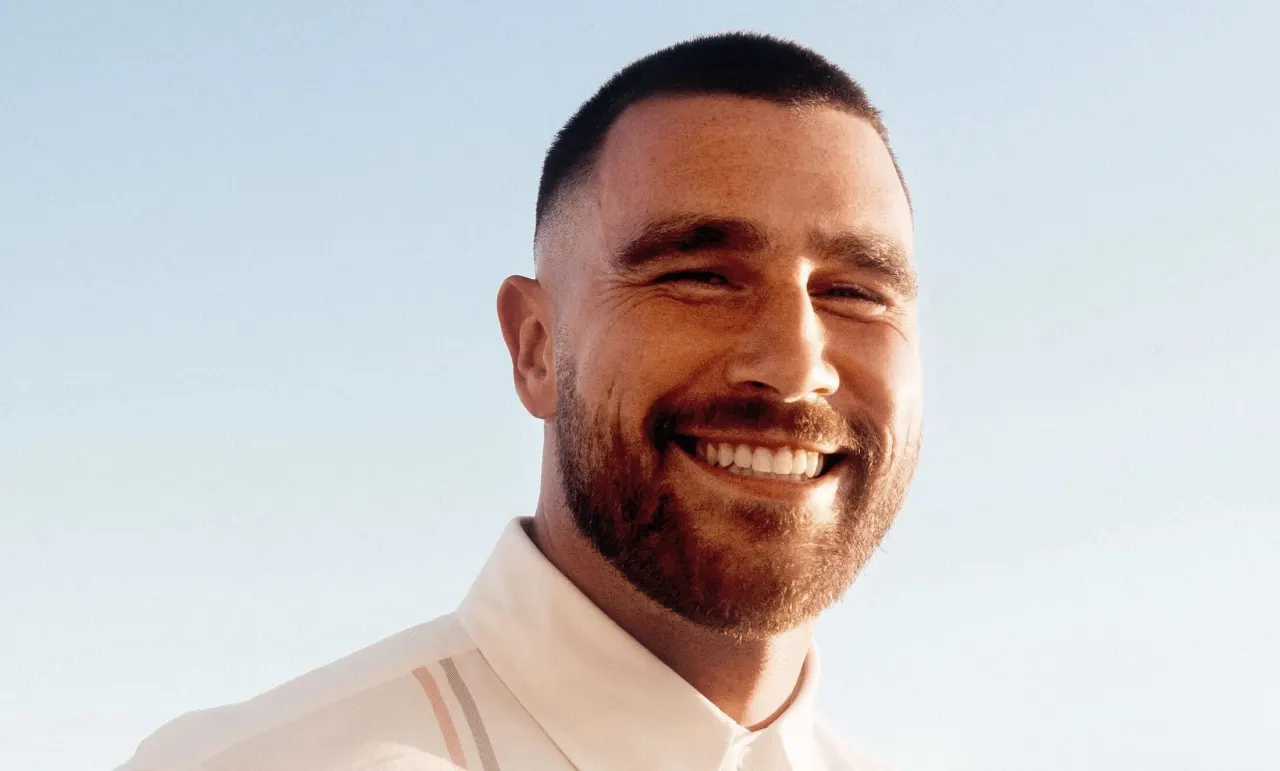
Publicis Groupe has teamed up with Kansas City Chiefs tight end Travis Kelce and talent agency 3 Arts Sports to launch a new venture, Tekta, aimed at helping brands strike sponsorship deals with college athletes. The agency will connect advertisers with student athletes and universities, reflecting the fast-growing significance of "name, image and likeness" (NIL) partnerships in American college sport, and highlights how mainstream advertising firms are moving to formalise access to this market.
Tekta will draw on relationships already built by Publicis Sports, the group's sports-media investment arm, alongside Kelce's personal expertise and 3 Arts Sports' athlete and university connections; 3 Arts is part of Lionsgate's 3 Arts Entertainment. A select group of Publicis Sports clients will gain access to a network covering roughly 45,000 Division 1 student athletes across 68 universities. NIL deals have been permitted since the NCAA changed its rules in 2001, and the market is now estimated at $4.5 billion, according to platform Opendorse, with student athletes said to generate higher engagement rates than typical influencers.
- Publicis, Travis Kelce and 3 Arts launch Tekta, a college-athlete ad agency
- Network covers 45,000 Division 1 athletes across 68 universities
- US college NIL sponsorship market now estimated at $4.5 billion
New here? Start with this
In US college sport, Division I is the top level of competition across many universities. The NCAA, which oversees much of college sport, changed its rules in 2021 to allow athletes to earn money from the use of their name, image and likeness, known as NIL.
These earnings can come from sponsorships and other partnerships with brands. Advertisers, agencies and universities help arrange deals, while student athletes can offer brands access to audiences who follow college teams.
The market has grown into a significant part of sports advertising, and companies are building services to connect brands with athletes. Any such partnerships sit alongside the athletes’ studies and sporting commitments, and the NCAA’s rules and the arrangements at individual universities shape how they work.
Both sides, in good faith
The strongest fair case each way — we don't pick a winner.
The case for
College athletes generate substantial commercial value and deserve fair compensation for their image and likeness, just as professional athletes do. Formalising the NIL market through established intermediaries like Tekta actually provides greater transparency and protections than informal arrangements, whilst allowing athletes to monetise their brand value legitimately and gain economic security. This does not prevent educational pursuits—it simply ensures athletes benefit fairly from the commercial value they create. The market already exists and will grow regardless; legitimate platforms serve athletes' interests far better than unregulated alternatives.
The case against
This venture represents the troubling commodification of college athletics and student athletes themselves, transforming the character of college sport to prioritise commercial extraction over education. Rather than protecting young athletes, formalised intermediaries enable large corporations to efficiently monetise student labour whilst concentrating benefits amongst elite athletes at wealthy universities and deepening inequality across the system. The infrastructure itself—regardless of transparency—normalises viewing college athletes primarily as commercial assets, creating perverse recruiting incentives and diverting institutional focus from the educational mission universities should prioritise for all students. The fundamental concern isn't transparency; it's that unlimited commercialisation harms college sport's integrity and the interests of student athletes who don't become commercial stars.