Politics news and discussion on TalkFuse.
Government adviser urges review of how courts treat sexual assault victims
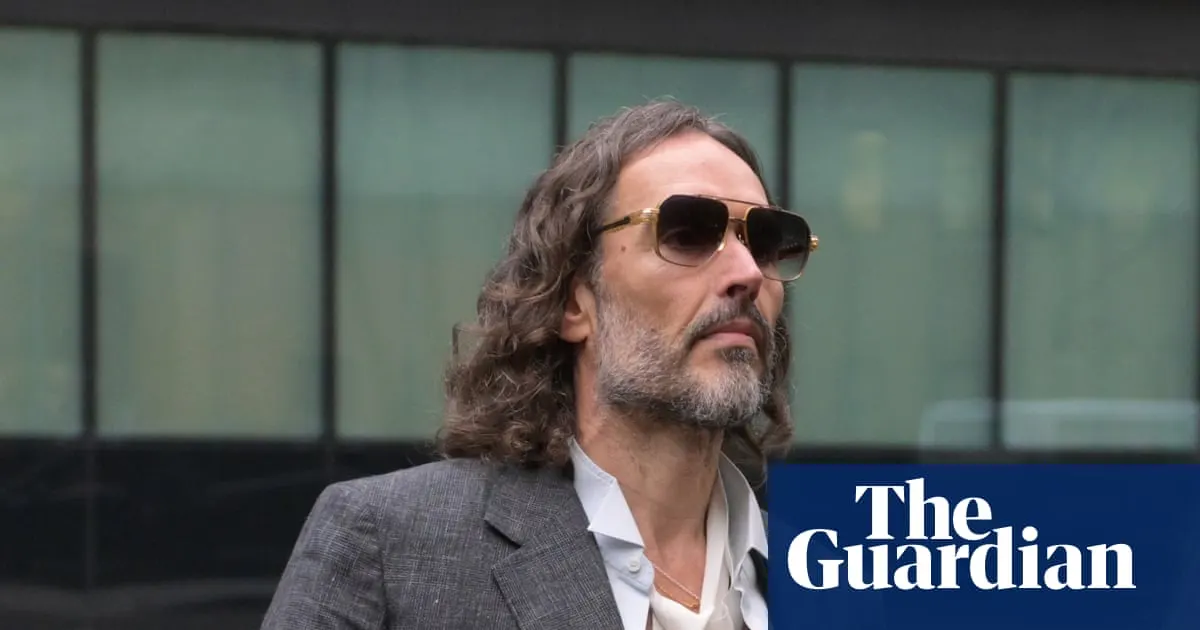
Professor Katrin Hohl, the government’s independent adviser on rape, has urged ministers to examine how courts handle sexual assault cases in England and Wales. She says public attention following Russell Brand’s conviction should prompt research into rape myths and jury directions, arguing that improvements to police and prosecution investigations are not being carried through into trials.
Hohl’s recent report described a “cliff edge” for cases prepared under Operation Soteria, which focuses investigations on suspects rather than complainants’ behaviour. Victims Commissioner Claire Waxman has called for judges to be required to correct rape myths put to juries, while the justice secretary has asked the Bar Standards Board to set standards for barristers in sexual offence cases. Brand was sentenced to more than 10 years in prison after being convicted of raping one woman and sexually assaulting three others; ministers are also discussing proposals to change the law on adults having sex with 16- and 17-year-olds.
In short
- Adviser calls for scrutiny of sexual assault trials.
- Report warns of a “cliff edge” when cases reach court.
- Ministers are considering changes to consent law.
Steelman: both sides, in good faith
The strongest fair case each way — we don't pick a winner.
The case for
A review could identify whether outdated assumptions about how victims behave are influencing juries, and whether clearer judicial guidance would help trials assess evidence fairly. Supporters argue that reforms to investigations will have limited effect if complainants still face myths in court, and that consistent standards could improve confidence in the justice system.
The case against
Any changes should protect the presumption of innocence and ensure defendants can challenge evidence fully, since jury directions or professional rules could risk constraining legitimate scrutiny if drafted too broadly. Critics could argue that the available concerns warrant careful evidence gathering, but not a presumption that courts routinely mishandle cases or that a high-profile conviction proves systemic failure.
Explained simply
In England and Wales, rape and sexual assault cases are heard in criminal courts, where juries decide whether the prosecution has proved guilt beyond reasonable doubt. Cases can fail at different stages, from police investigation and charging decisions through to the trial, and changes to one stage do not automatically change how another works.
Professor Katrin Hohl is the government’s independent adviser on rape. Operation Soteria is a programme to improve rape investigations by focusing on suspects’ actions rather than scrutinising complainants’ behaviour; Claire Waxman is the Victims’ Commissioner, who represents victims’ interests in policy discussions.
The debate concerns how jurors assess evidence and whether mistaken beliefs about rape can affect that assessment. It matters because court practices shape how cases are tried and how complainants and defendants are treated, while any changes must fit the rules of a fair trial.
Government Health Medicine Politics UK World
Read the full article at the source →
Originally published by The Guardian as “‘Pull back the curtain’ on treatment of sexual assault victims in court, says UK government adviser”.