Punk was protest. Grunge was angst. What if we’ve had them both wrong?
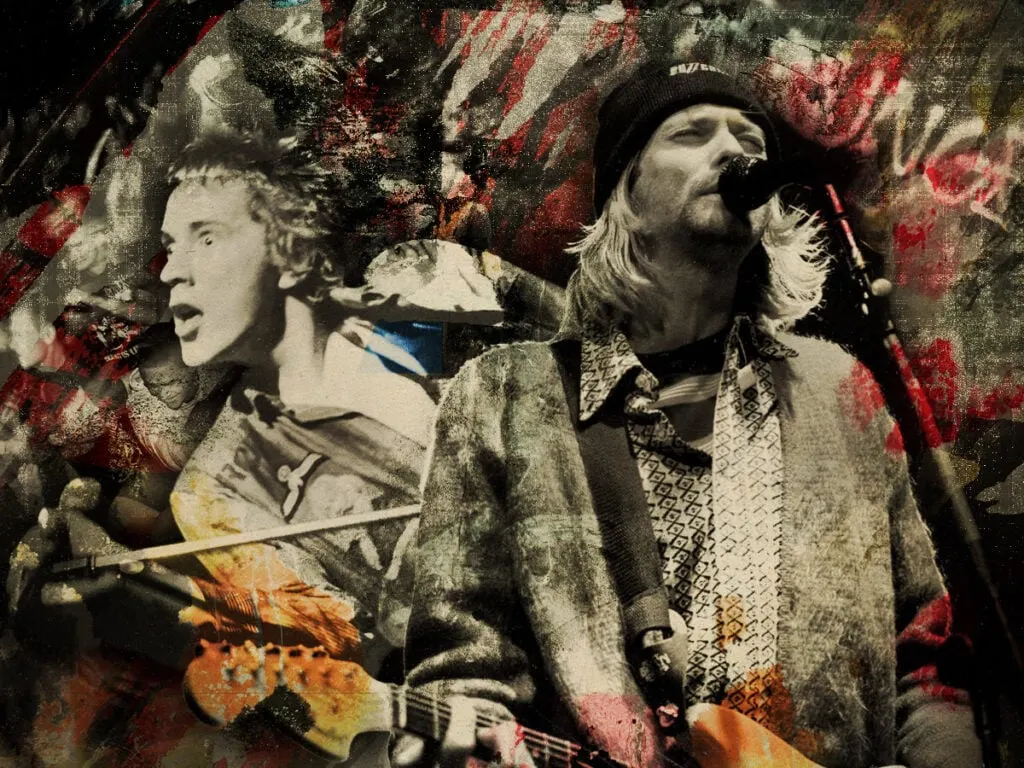
Johnny Rotten argued that American fans and bands often mistook punk’s style and anger for its purpose: the Sex Pistols, he said, emerged from the injustices facing Britain’s working class. The article questions the familiar division that casts 1970s punk as political protest and 1990s grunge as personal angst, suggesting both movements drew on emotion and local experience.
Punk’s protest messages mattered, but its noise, frustration and anxiety were also central to its appeal, the article says. Rotten criticised American punk bands for copying past styles and later accused grunge groups such as Nirvana, Pearl Jam and Soundgarden of being products of publicity machinery, even though they wrote from their own surroundings. The excerpt ends before completing its discussion of how angst shaped punk.
In short
- Punk combined protest with raw emotion.
- Grunge reflected its musicians’ own surroundings.
- The article challenges a simple distinction between the two.
Explained simply
Punk emerged in the 1970s, with the Sex Pistols among its best-known British bands. Its blunt sound and confrontational style became associated with protest, including anger about conditions facing working-class people.
Grunge developed in the United States in the late 1980s and early 1990s, with bands such as Nirvana, Pearl Jam and Soundgarden. It is often described as music of personal angst, while punk is framed as political; both labels can miss how music drew on strong feelings and the places where musicians lived.