Culture news and discussion on TalkFuse.
Pupils in first borough to ban smartphones in schools are happier and better behaved say heads
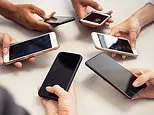
Head teachers in the first London borough to introduce a ban on smartphones in schools have reported that pupils are happier and better behaved as a result. The move reflects growing concern among educators and parents about the impact of smartphone and social media use on children's mental health, attention spans and classroom conduct, and could serve as a model for other areas considering similar restrictions.
The article does not provide further specific details, figures or direct quotes from the heads involved beyond the headline claim, as the full text of the report was not available. It nonetheless points to a wider debate over school phone policies, which has gained momentum in the UK amid calls for tighter national guidance on device use among children.
In short
- A borough's schools banned smartphones, first in the UK to do so.
- Head teachers say pupils are happier since the ban.
- Heads also report improved pupil behaviour.
Steelman: both sides, in good faith
The strongest fair case each way — we don't pick a winner.
The case for
Proponents argue that protecting classroom focus and mental health during formative years justifies restricting smartphones in school hours. Young people are exposed to deliberately addictive social media platforms designed to exploit developmental vulnerabilities, and schools have a pastoral responsibility to create environments conducive to learning and genuine face-to-face social connection. The reported improvements in pupil wellbeing and behaviour align with growing research suggesting heavy screen use correlates with anxiety and attention difficulties, making phones an impediment to rather than tool for education.
The case against
Opponents contend that bans represent an abdication of digital citizenship education in favour of restriction, treating young people as incapable of self-regulation in an increasingly digital world. Such policies risk exacerbating existing inequalities among students without home technology access, eliminate accessibility features vital for disabled pupils, prevent emergency communication, and raise questions of principle about institutional overreach. They also note that improved behaviour could reflect numerous confounding factors, and that learning to manage digital distraction is itself a crucial skill schools should teach rather than sidestep.
Explained simply
Schools and parents across the UK have grown increasingly concerned about the effects of smartphones and social media on children's wellbeing, concentration and behaviour in the classroom. This concern has prompted many schools to consider stricter policies about when and where pupils can use mobile phones during the school day.
One London borough has become the first in the capital to introduce a full ban on smartphones in schools. Head teachers implementing this policy have reported that pupils seem happier and more engaged, with fewer behaviour problems since the ban came into effect.
The results from this early adopter borough could influence how other schools across the UK approach phone policies, as educators and parents seek ways to protect children's mental health and improve classroom learning. The move reflects a growing national conversation about whether tighter rules on children's device use should be introduced more widely.
Art Culture Gadgets Technology World