World news and discussion on TalkFuse.
Putin’s space nuke that could destroy the world: Day by day, radiation would disable nearly every satellite, cause electricity blackouts on Earth… and spark nuclear war
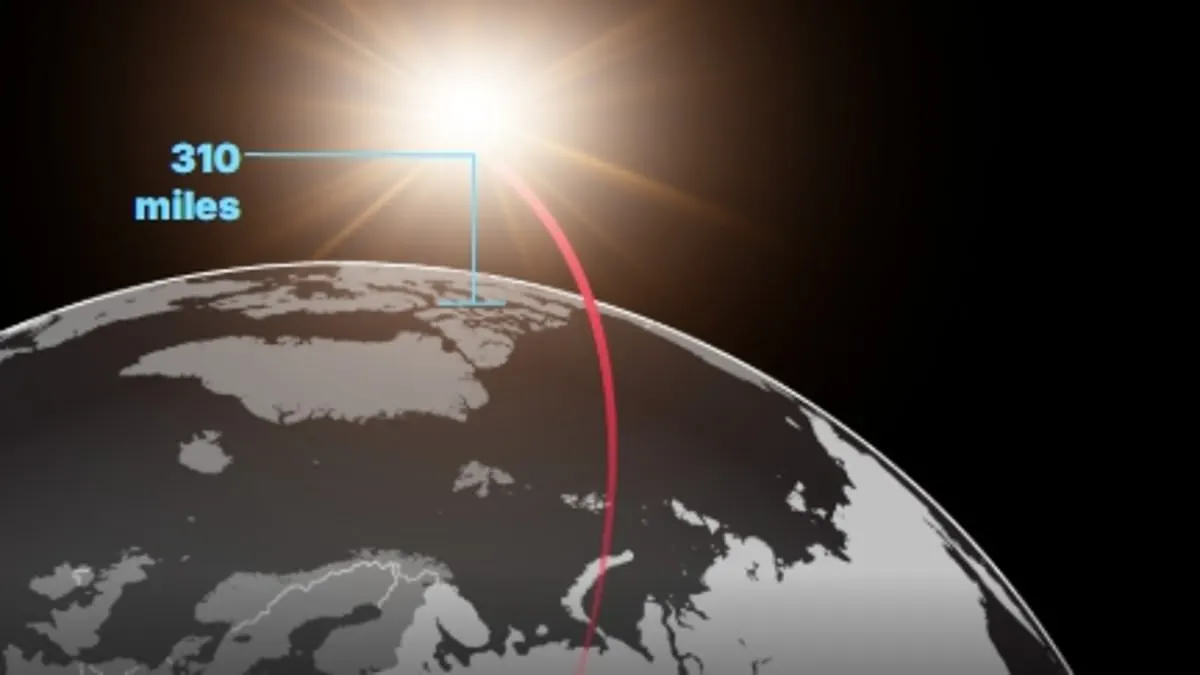
Reports describe a scenario in which Russia detonates a nuclear-armed satellite weapon in orbit, releasing an electromagnetic pulse that could disable satellites and cripple power grids on Earth. The story follows claims by Germany's BND spy agency that Moscow's alleged "Sputnik-S" could be ready in as little as two months, a threat Nato says it is taking seriously. Some scepticism remains about whether Russia actually has such a weapon.
The article says a blast could leave a radiation belt that slowly disables more satellites, with up to 98 per cent knocked out within a week. Aaron Bateman of George Washington University said large numbers of satellites could be destroyed "in one fell swoop". Placing nuclear weapons in space would breach the Outer Space Treaty, which 118 countries have signed, including Russia. The article also cites the early 1960s Starfish Prime test, which it says disabled a third of the world's satellites and knocked out 300 street lights on an island.
In short
- Germany's BND claims Russia could ready a nuclear space weapon within two months.
- One scenario suggests a blast could disable up to 98 per cent of satellites.
- Nuclear weapons in space would breach the Outer Space Treaty, though experts remain sceptical.
Steelman: both sides, in good faith
The strongest fair case each way — we don't pick a winner.
The case for
Those who take the threat seriously argue that intelligence agencies such as Germany's BND and Nato's own assessments should be treated as credible, particularly given Russia's record of developing weapons and its willingness to strain arms-control norms. Intelligence warnings are often early and incomplete, so waiting for certainty could leave the West unable to respond in time. On this view, prudent steps such as hardening satellites, building redundancy, and publicly naming the Outer Space Treaty as a binding constraint are responsible deterrence rather than alarmism.
The case against
Sceptics contend that the reporting rests on unverified intelligence claims, and that it is unclear Russia possesses the weapon at all. They note that the most dramatic figures, such as 98 per cent of satellites disabled within a week, depend on assumptions about radiation belts and hardware vulnerability that may be overstated, and that the Starfish Prime test took place in a very different technological context. From this perspective, publicising a contested timeline risks fuelling alarm, justifying costly or escalatory responses, and should be matched by a demand for public evidence before the threat is accepted as imminent.