World news and discussion on TalkFuse.
Radical socialist wing’s huge night reveals ascending clout within Democratic Party
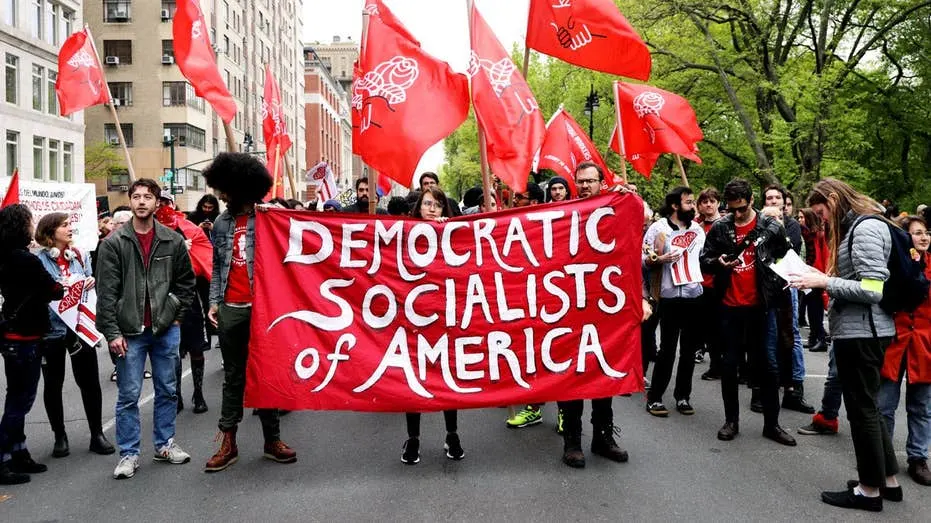
The Democratic Socialists of America (DSA) backed candidates who won or were leading in about two-thirds of the races it contested, according to the article’s analysis of its election tracker. The results suggest the group has growing influence within the Democratic Party, including in contests against established Democrats.
The tracker covered 161 candidate races: 11 federal, 88 local, 60 state and two municipal contests. In New York, 17 DSA-backed candidates were winners or expected winners; in California, 23 of 43 were winning or leading, while 17 were trailing. The group also endorsed about 58 ballot measures, many of which were reported to have passed. In Los Angeles, a close mayoral race involving DSA-backed Nithya Raman remained undecided in early returns.
In short
- DSA-backed candidates won or led in about two-thirds of their contests.
- New York recorded 17 DSA-backed winners or expected winners.
- The results show growing influence, alongside defeats and close races.
Steelman: both sides, in good faith
The strongest fair case each way — we don't pick a winner.
The case for
The results suggest DSA endorsements can help candidates and ballot measures that promise stronger public services, labour protections and action on inequality gain traction. Supporters may see this as a sign that more voters want a bolder progressive agenda and that organised grassroots groups can broaden participation in a party often shaped by established figures.
The case against
A strong showing for DSA-backed candidates may concern Democrats who believe the party needs a broader coalition to win competitive races and govern effectively. They may argue that some of the group’s policies or rhetoric could alienate voters, and that victories in selected contests do not by themselves show that its agenda has wide appeal across the party or electorate.
Explained simply
The Democratic Socialists of America is a membership organisation whose members support democratic socialism, including a larger role for government in areas such as public services and workers’ rights. It is separate from the Democratic Party, but some of its members run as Democrats and the group endorses candidates and campaigns.
The Democratic Party is a broad US political party, with elected officials who hold a range of views. DSA-backed candidates can therefore compete both with Republicans and with other Democrats, including candidates supported by party leaders. Their performance matters because it can shape which voices and policy priorities gain influence in the party and in elected government.