Rand Paul surprised Fauci invoked Fifth Amendment despite immunity
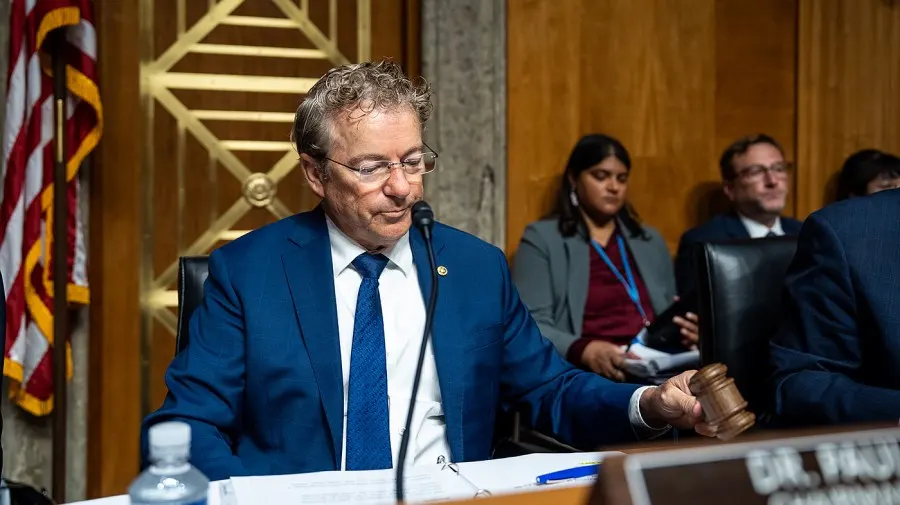
Senator Rand Paul said he was surprised that Anthony Fauci invoked the Fifth Amendment during a Senate hearing on the COVID-19 pandemic, arguing that a pre-emptive pardon from former President Joe Biden should have removed the risk of self-incrimination. The dispute matters because it intensified a long-running political and scientific clash over Fauci’s pandemic-era role, federal research funding and the origins of COVID-19.
Fauci declined to answer questions at the Republican-led hearing on the advice of his lawyers, saying Paul’s calls for his prosecution had left him concerned about the proceedings. Paul has accused Fauci of misleading Congress about US-funded research connected to Wuhan, an allegation Fauci and federal health officials have disputed; Paul said he would pursue contempt proceedings.
In short
- Paul questioned Fauci’s use of the Fifth Amendment despite a Biden pardon.
- Fauci declined Senate questions on lawyers’ advice.
- The hearing revived disputes over COVID-19 origins and research funding.
Steelman: both sides, in good faith
The strongest fair case each way — we don't pick a winner.
The case for
Paul’s position is that a pardon covering relevant federal offences should have reduced Fauci’s exposure to prosecution, making his refusal to answer legitimate questions about pandemic-era decisions and research funding difficult to understand. From this view, invoking the Fifth Amendment obstructs congressional oversight, particularly when lawmakers are investigating whether Congress was accurately informed.
The case against
Fauci’s position is that the Fifth Amendment protects anyone who reasonably fears that answers could be used against them, and a pardon does not necessarily remove every legal risk or settle the scope of that protection. Given Paul’s public calls for prosecution and the prospect of contempt proceedings, following his lawyers’ advice can be seen as a prudent way to protect his rights while the legal questions remain contested.
Explained simply
Anthony Fauci was a key figure in the US government's response to the COVID-19 pandemic, serving as director of the National Institute of Allergy and Infectious Diseases. Senator Rand Paul has long alleged that Fauci misled Congress about US government funding for research potentially linked to COVID-19's origins, though Fauci and other federal health officials have consistently denied these claims.
At a recent Senate hearing, Fauci refused to answer Paul's questions, invoking the Fifth Amendment—a constitutional right allowing people to decline answering if it might incriminate them. Paul expressed surprise at this, arguing that a pre-emptive pardon from former President Joe Biden should have eliminated any legal risk Fauci faced from self-incrimination.
The dispute represents a continuation of broader disagreements about the government's pandemic response and how to investigate COVID-19's origins. Paul has signalled his intent to pursue contempt proceedings against Fauci for refusing to answer questions at the hearing.