Politics news and discussion on TalkFuse.
Read the full White House memo requiring agencies to get approval before testifying in front of Congress
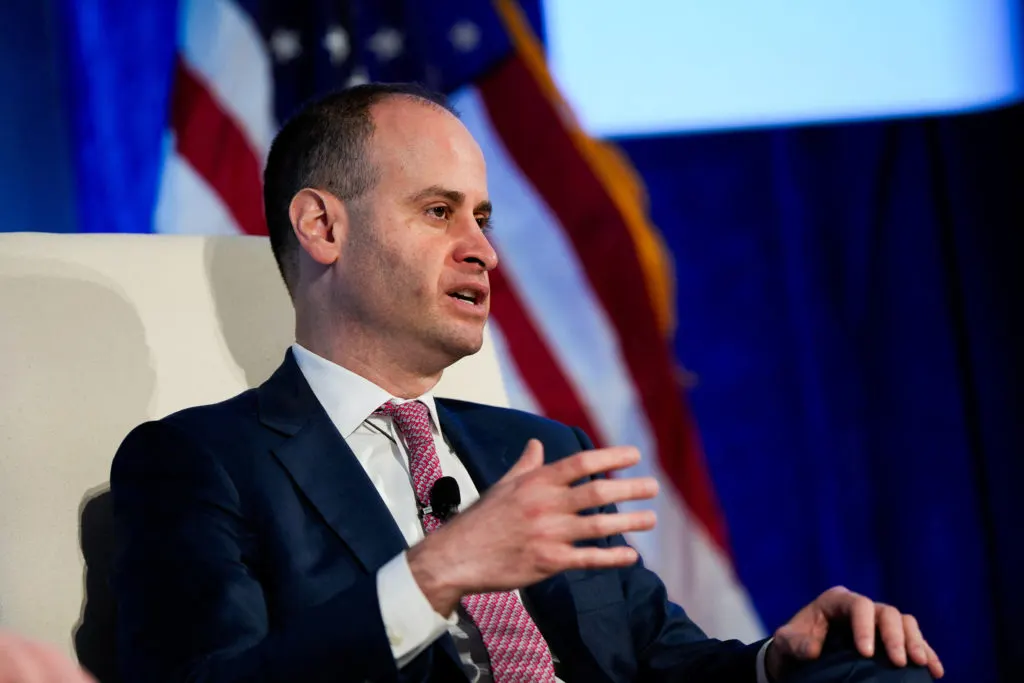
White House counsel Will Scharf has instructed federal agencies and executive departments to obtain approval from White House legal and legislative affairs offices before agreeing to testify before congressional committees. The directive comes as Democrats prepare to take leadership in both chambers and have promised stronger oversight of the Trump administration, raising questions about how the new approval process may affect congressional scrutiny.
The White House says the process will allow legitimate oversight while protecting officials’ focus on their duties, and argues that some Democratic inquiries are politically motivated. Scharf’s memo follows a letter he sent to House Oversight Committee Democrat Robert Garcia, accusing Democrats’ investigative pledges of potentially crossing into criminality. The administration also cited four letters from House Democrats seeking preservation of agency documents.
In short
- Agencies must seek White House approval before agreeing to congressional testimony.
- The directive arrives ahead of promised Democratic oversight.
- The White House says it aims to distinguish legitimate requests from political investigations.
Steelman: both sides, in good faith
The strongest fair case each way — we don't pick a winner.
The case for
The White House can argue that coordinating testimony through legal and legislative affairs offices helps agencies give accurate, consistent answers, protect sensitive information and avoid diverting officials from essential work. It may also contend that some inquiries are politically motivated, making a review process a reasonable way to distinguish legitimate oversight from requests that could compromise agency operations or legal interests.
The case against
Congress has a constitutional oversight role, and requiring White House approval before officials testify could let the executive branch delay, narrow or prevent scrutiny of its conduct. Critics can argue that advance coordination gives political officials influence over what witnesses disclose, weakening accountability precisely when the incoming congressional majority has promised more vigorous oversight.
Explained simply
Congressional committees can investigate how the federal government works and question officials in hearings. Agencies and executive departments carry out the president’s policies, while the White House includes the president’s advisers and legal staff.
The White House counsel advises the president on legal matters. Will Scharf’s directive concerns who decides whether agency officials may testify; Congress’s committees use testimony and records to examine government decisions and actions.
Democrats have said they intend to increase scrutiny of the Trump administration as they prepare to lead both chambers of Congress. The dispute reflects competing claims about the scope and purpose of congressional investigations, and about how the executive branch should respond.