Reckless visitors are destroying Yellowstone’s iconic thermal pools with trash
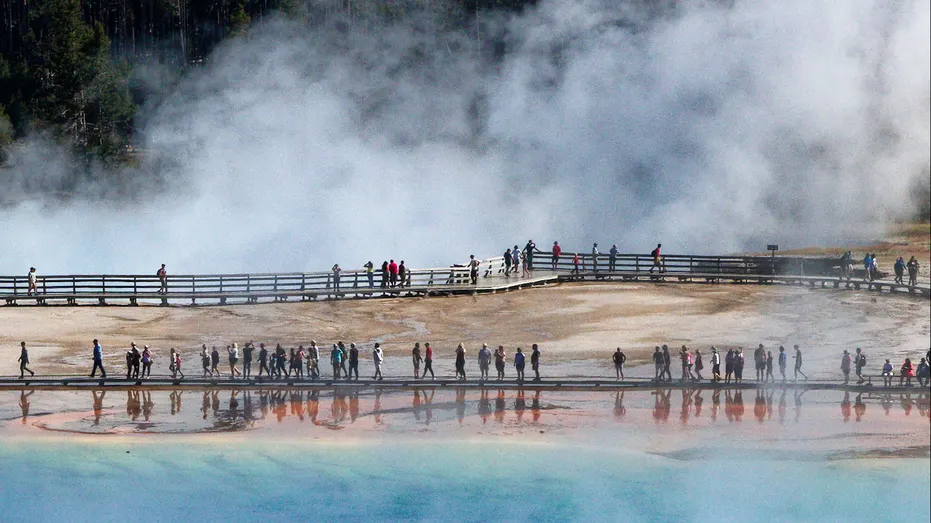
Yellowstone National Park staff have removed more than 23,000 pieces of rubbish this year, alongside thousands of rocks and sticks, from thermal areas and nearby paths. The record collection highlights how visitor litter can damage the park’s fragile geysers and hot springs, including by disrupting water flow and changing water chemistry.
The park’s geology team also recovered over 10,700 rocks and sticks and more than 360 hats, as well as items such as AirPods and an Uno card. Yellowstone received more than 4.7 million visitors in 2025, and rubbish accumulates in busy areas such as Old Faithful and Midway Geyser Basin; some may be blown in accidentally. Debris contributed to Morning Glory Pool losing its distinctive blue appearance, and attempts to restore it by removing rubbish in the 1970s did not fully bring the colour back.
In short
- Yellowstone staff collected a record amount of rubbish this year.
- Debris can clog or alter the chemistry of thermal pools.
- Morning Glory Pool’s original blue colour did not fully return.
Explained simply
Yellowstone National Park in the western United States sits over an active volcanic area, where hot water rises through cracks in the ground to form geysers and hot springs. Old Faithful and Morning Glory Pool are among its best-known thermal features, whose colours and water patterns depend on delicate underground conditions.
Visitors can affect those conditions by throwing or dropping objects into pools, or by moving rocks and sticks around them. Debris can obstruct water flow or alter the water’s chemistry, and Morning Glory Pool’s once-bright blue appearance faded after rubbish accumulated there.
The National Park Service manages Yellowstone and its thermal areas, which draw millions of visitors each year. Protecting them involves limiting human disturbance as well as looking after paths and other parts of the park.