Recording device hidden in toilet paper found in top-secret OpenAI meeting room
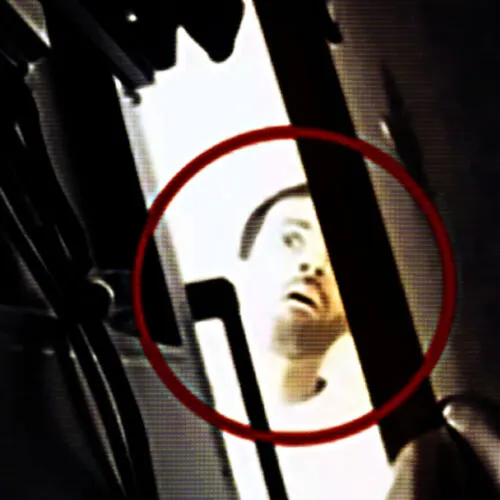
The FBI has arrested OpenAI engineer Abdulrahman Alfozan, alleging he planted a concealed recording device in a restricted executive meeting room to gather confidential information. The case raises concerns about protecting sensitive AI research and business discussions, as well as the possibility of trade secrets reaching foreign intelligence.
The FBI says the USB device was wrapped in toilet paper and connected behind a television, and that OpenAI discovered it two days after it was likely installed on 28 September. Investigators cite CCTV footage, chatbot logs and device analysis; they allege Alfozan had sought information about sensitive meetings and tried to retrieve the device. If convicted of unlawful recording, he faces up to five years in prison and a $250,000 fine.
- FBI alleges an OpenAI engineer hid a recorder in an executive meeting room.
- The device was found two days after it was likely planted.
- A conviction could bring five years in prison and a $250,000 fine.
New here? Start with this
OpenAI is a company that develops artificial intelligence systems, including ChatGPT. Its executives and researchers discuss technology, business plans and other information that the company may keep confidential.
Such information can have commercial value and may be protected as trade secrets. In cases involving alleged covert recording, investigators may examine evidence such as security footage, electronic records and devices; a person accused of an offence is presumed innocent unless proven guilty in court.
Both sides, in good faith
The strongest fair case each way — we don't pick a winner.
The case for
If the allegations are substantiated, concealing a recorder in a restricted room to obtain confidential discussions would be a serious breach of trust and could expose sensitive research or business information. A company handling valuable technology has a legitimate interest in protecting private meetings, and deliberate unlawful recording can warrant criminal penalties.
The case against
The allegations remain unproven, and the seriousness of the possible consequences makes a fair process and careful scrutiny of the evidence essential. CCTV, chatbot logs and device analysis may be relevant, but their interpretation and the prosecution’s claims should be tested in court; protecting trade secrets does not diminish the accused’s rights or establish guilt.