Relief for motorists as Chancellor ‘admits planned fuel duty hikes can’t go ahead’ amid Middle East crisis – with Budget set to maintain freeze
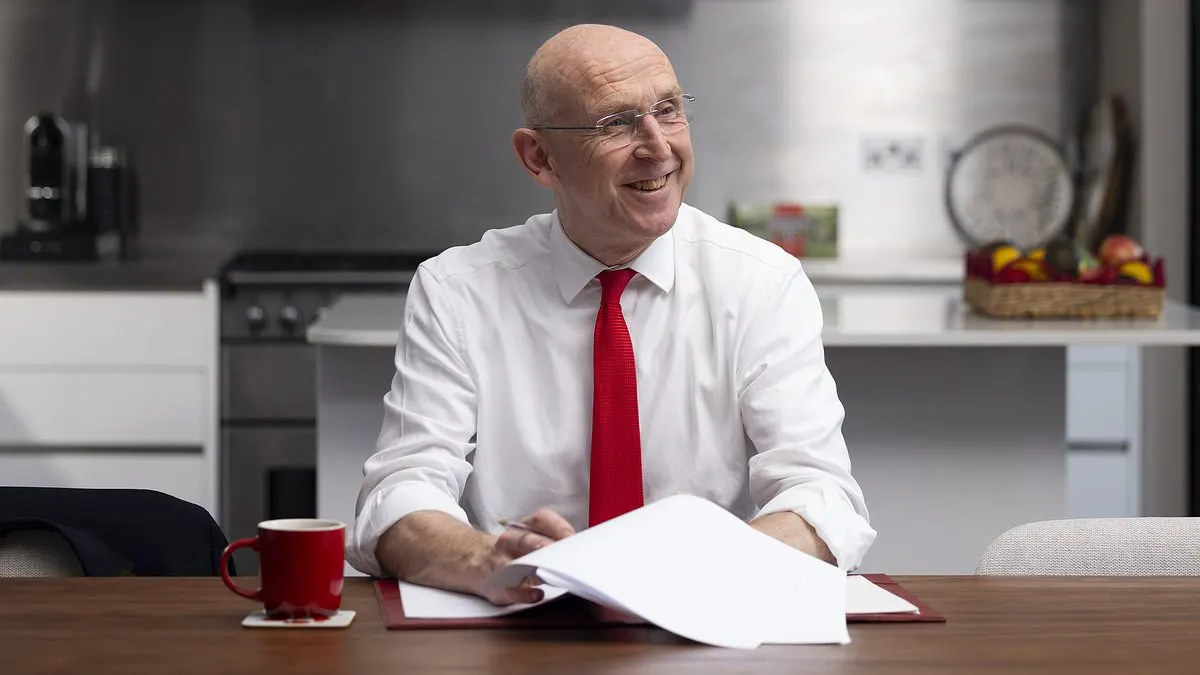
Chancellor John Healey is expected to keep fuel duty frozen at 53p a litre and extend the 5p-a-litre cut at the Budget, easing pressure on motorists facing steep pump prices. The decision would reverse a planned end to the freeze, which would have raised duty for the first time in 16 years.
Diesel has topped £2 a litre, while average unleaded petrol costs £1.75, its highest price in more than four years. In an RAC survey of 1,206 motorists, 65 per cent said high fuel costs were forcing them to cut other spending and 47 per cent said they were struggling to cope. The Budget is also expected to make permanent a 55p mileage allowance for the first 10,000 work miles, with the rate above that rising from 25p to 35p.
In short
- Fuel duty is expected to stay frozen at 53p a litre.
- The 5p-a-litre cut is expected to continue.
- Diesel has passed £2 a litre.
Steelman: both sides, in good faith
The strongest fair case each way — we don't pick a winner.
The case for
Keeping the freeze and extending the 5p cut would give households and businesses immediate relief as pump prices rise, especially for people who depend on cars and have little scope to reduce their travel. Supporters could argue that easing this pressure protects other household spending and that higher fuel costs risk adding to wider economic strain.
The case against
Critics could argue that retaining the cut helps all motorists, including those who could afford to pay more, while reducing revenue that could support public services or other priorities. They may also favour restoring the planned duty rise to discourage fossil-fuel use and support climate goals, while recognising that any increase would be particularly difficult for people with few transport alternatives.
Explained simply
Fuel duty is a tax charged on each litre of petrol and diesel. The UK has kept the rate at 53p a litre since 2011, while a separate 5p cut introduced in 2022 has reduced the amount drivers pay at the pump.
The Chancellor, John Healey, sets tax and spending plans in the Budget. A previous plan to end the fuel duty freeze would have raised the tax for the first time in 16 years; changes to mileage allowance affect how much workers can claim for using their own vehicles for work. These decisions matter because fuel costs feed into household budgets and the cost of moving people and goods.