Palantir CTO says researchers smoke in belief AI will cure cancer
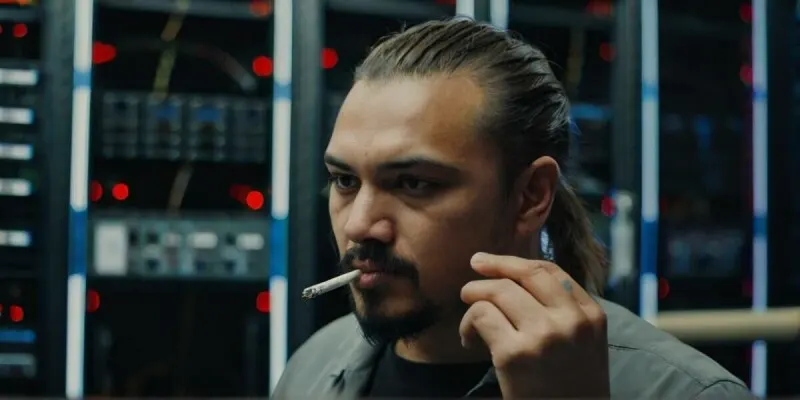
Palantir chief technology officer Shyam Sankar says some AI researchers have taken up smoking to signal their faith that artificial intelligence will eventually cure cancer. He presented the claim as an example of what he regards as irrational thinking linked to effective altruism, and argued that it distracts from serious debate about AI.
Sankar estimated that roughly 2,000 AI researchers are in the United States and said most share this worldview. A former cancer researcher cautioned that developing and introducing a cancer drug can take several years, even with AI, and that tumours may develop resistance. Predictions that AI-designed medicines would soon reach patients have not yet been borne out.
- Sankar claims some AI researchers smoke to show faith in future cures.
- A cancer drug can take years to develop, even with AI.
- Claims about AI-designed medicines arriving soon remain unproven.
New here? Start with this
Palantir is a US technology company that provides data analysis software to governments and businesses. Its chief technology officer, Shyam Sankar, works in the field of artificial intelligence, which uses computer systems to perform tasks such as analysing data or generating text.
Effective altruism is a movement that encourages people to use evidence to decide how to do the most good. Some people in technology argue that AI could help researchers discover treatments for diseases such as cancer, but turning a promising idea into a drug that is tested and made available to patients can take years.
Cancer is not one disease: different cancers can behave differently, and tumours can change or become resistant to treatment. This makes claims about AI’s ability to deliver cures difficult to assess, and helps explain why there is debate over how quickly its medical benefits might reach patients.
Both sides, in good faith
The strongest fair case each way — we don't pick a winner.
The case for
The anecdote, if accurate, may illustrate how confidence in future AI breakthroughs can encourage people to discount present risks, including smoking’s well-established harms. Sankar’s broader concern is that claims about AI curing cancer can become a substitute for serious debate about what the technology can and cannot deliver.
The case against
The reported behaviour is an anecdote and does not establish that AI researchers generally hold this belief; Sankar’s estimate and characterisation may overstate how widely it is shared. Researchers can reasonably see AI as a promising aid to drug discovery while recognising that cancer treatments take years to develop and that tumour resistance remains a challenge.
AI Health Medicine Research Science Technology
Read the full article at the source →
Originally published by The Register as “Researchers cig-nal their faith in AI by taking up smoking”.