Restaurants draw the line on substitutions as diners push menu limits
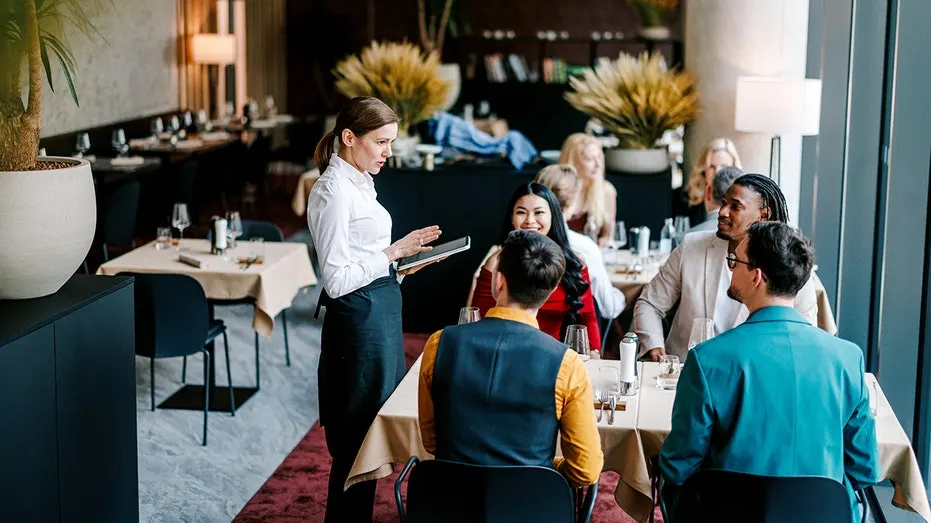
Lom Wong, a Thai restaurant in Phoenix, has asked diners not to expect substitutions that make its dishes more familiar, saying its recipes reflect family and community traditions. The debate highlights a tension between accommodating customers and preserving a restaurant’s intended food and service, particularly as modification requests have risen since Lom Wong was recognised in the 2026 Michelin Guide Southwest.
Restaurant industry veteran Robert Mahon said extensive changes can alter a dish’s intended flavours and slow service when kitchens are busy, while etiquette expert Diane Gottsman described minor requests, such as removing a topping, as reasonable. Both said allergies and dietary restrictions should be taken seriously, but Gottsman argued that completely changing an order can come across as entitled. Lom Wong’s post drew mostly supportive comments, though some diners objected to its approach to ordering and serving dishes.
In short
- Lom Wong is resisting substitutions that alter its Thai dishes.
- Experts say extensive changes can affect flavour and service.
- Allergy and dietary needs remain important considerations.
Steelman: both sides, in good faith
The strongest fair case each way — we don't pick a winner.
The case for
Restaurants can reasonably set limits on substitutions to preserve the flavours, cultural traditions and balance their cooks intend, while keeping service workable during busy periods. Clear boundaries may also help diners understand what a restaurant is offering and distinguish routine preferences from needs such as allergies or dietary restrictions.
The case against
Diners can reasonably expect some flexibility, especially for small changes that do not undermine a dish or disrupt service. Accommodating preferences can make eating out more welcoming, and customers may feel that a firm or dismissive approach leaves too little room for individual needs and choice.
Explained simply
Restaurants have long had to balance adapting dishes for individual diners with serving food as the kitchen intends it. Requests can range from leaving off a topping to changing several ingredients; allergies and dietary needs may also require adjustments.
Lom Wong is a Thai restaurant in Phoenix whose recipes reflect family and community traditions. Restaurant industry veteran Robert Mahon says extensive changes can affect a dish’s flavours and slow service, while etiquette expert Diane Gottsman considers small requests reasonable and says allergies and dietary restrictions should be taken seriously.
Business Culture Fitness Food Health Markets World