Health news and discussion on TalkFuse.
Reuters promotes terrorists’ anti-Israel lies even when it knows the truth
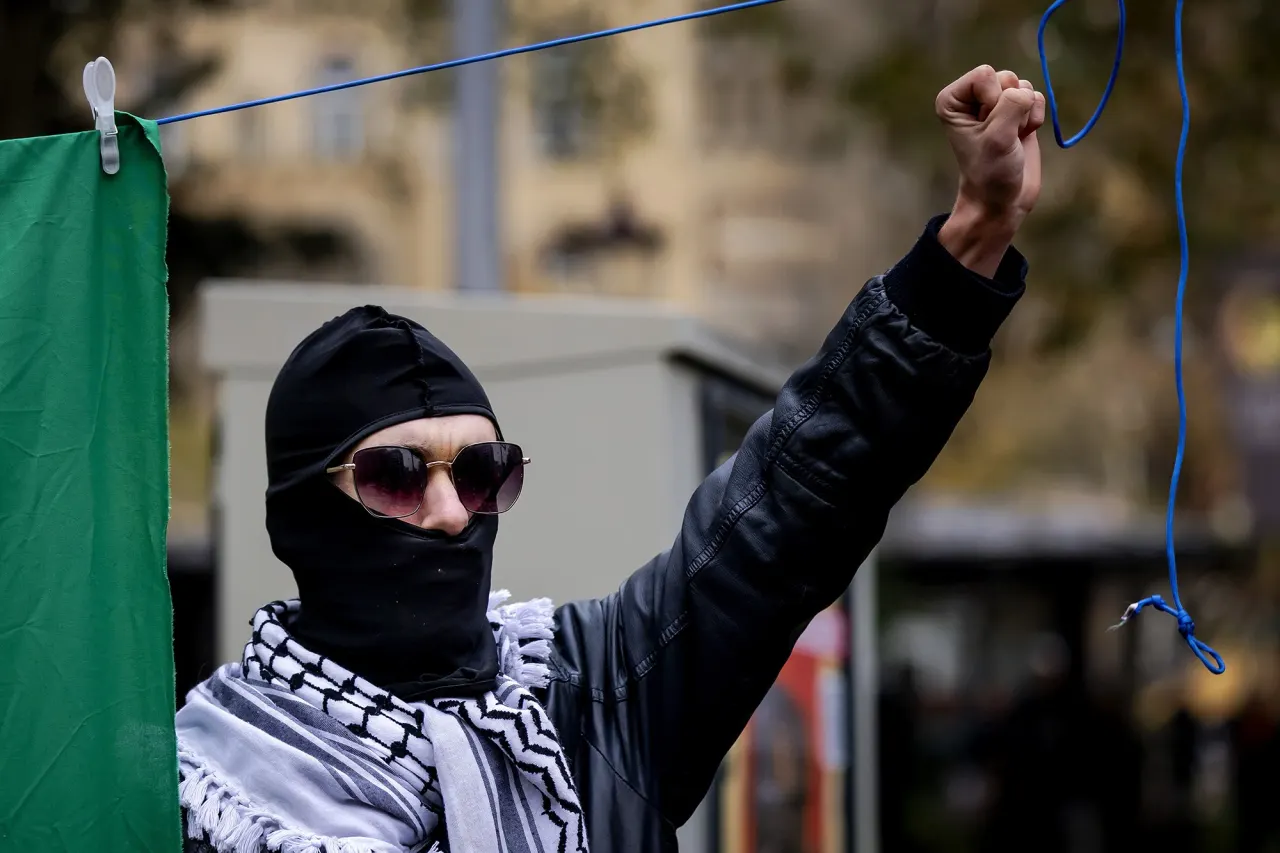
The article argues that Reuters’ headline about an Israeli strike in Gaza gave undue weight to claims that the vehicle was carrying aid, despite the charity named in the reports saying it was not affiliated with the truck. It presents this as an example of what the author sees as biased coverage of Israel and says the framing risks casting the dead as aid workers without sufficient evidence.
According to the article, the Israeli military said it killed three Islamic Jihad members in a strike on a van near Gaza City. Gaza’s health ministry and witnesses said the vehicle carried food and papers for World Central Kitchen, but the charity said the truck was unaffiliated; it also said one of the dead had previously worked for it and that it did not know the other two. The piece cites earlier incidents involving alleged militants posing as charity staff and the charity’s dismissal of 62 employees over reported terrorist affiliations.
In short
- The article criticises Reuters’ framing of an Israeli strike in Gaza.
- World Central Kitchen said the truck was unaffiliated with the charity.
- Reuters’ account cited conflicting claims about the van’s cargo.
Steelman: both sides, in good faith
The strongest fair case each way — we don't pick a winner.
The case for
Reuters could reasonably report the competing accounts in its headline because the vehicle’s purpose and the dead men’s roles were disputed, and witnesses and Gaza’s health ministry said it carried food and charity papers. Including that claim signals uncertainty and gives readers relevant context, while the charity’s statement that the truck was unaffiliated and one man had previously worked for it does not by itself establish the vehicle’s purpose or the others’ affiliations.
The case against
Reuters could reasonably be criticised if its headline foregrounded the aid claim despite the charity’s denial that the truck was affiliated with it, since readers may infer a stronger connection than the evidence supports. Given the Israeli military’s claim that those killed were Islamic Jihad members, the charity’s limited knowledge of the men and uncertainty over the vehicle, a headline that clearly attributes each claim could better avoid suggesting they were aid workers.
Explained simply
World Central Kitchen is a humanitarian charity that prepares and distributes meals in areas affected by conflict and disasters. Islamic Jihad is a Palestinian armed group that has fought Israel and is designated a terrorist organisation by the UK and several other countries.
In Gaza, information about strikes can be difficult to verify independently, and accounts from the Israeli military, local witnesses and health authorities may differ. A vehicle’s claimed connection to an aid organisation can matter because humanitarian workers and supplies have protections under the laws of war, while armed groups may also operate in the same areas.
Reports about the incident raised questions about who was in the vehicle and whether it was linked to the charity. The distinction matters for understanding the circumstances of the deaths and for public trust in reporting about civilian harm and aid work.
Health Medicine Middle East World