UK water firms earn £340m treating industrial wastewater they cannot fully clean
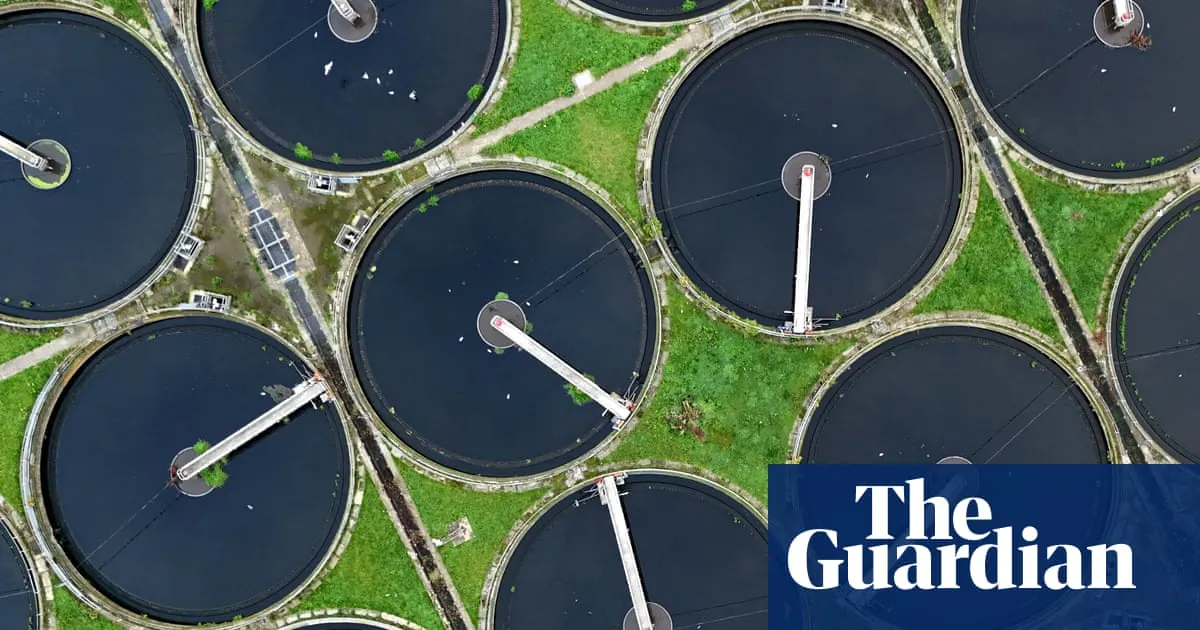
UK water companies earned more than £340m last year from treating industrial and commercial wastewater at sewage works that experts say cannot remove many chemical pollutants. An investigation found that pollutants can pass into rivers and seas or remain in sewage sludge spread on farmland, while the permit system is managed by water companies without independent oversight.
The investigation compiled a database of 26,000 trade-effluent permits and found that 608 billion litres of industrial wastewater are authorised to enter sewage works each year. United Utilities reported the highest revenue, at £61.6m, while Thames Water had the largest permitted volume, at 113 billion litres. Some permits include chemicals such as cyanide, chromium, cadmium and mercury; checks often rely on basic tests that do not detect most contaminants.
- Water companies earned more than £340m from industrial wastewater last year.
- 608 billion litres are permitted into sewage works annually.
- Experts say the system lacks independent oversight and adequate pollutant checks.
New here? Start with this
Water companies in the UK earn significant revenue by treating industrial and commercial wastewater at their sewage treatment facilities. Rather than dispose of waste themselves, businesses can arrange to have their wastewater treated through the standard sewage system, paying the water companies for this service. This generated over £340m in revenue for water companies last year.
The concern is that standard sewage treatment works may not be fully equipped to remove all the chemical pollutants that industries discharge. These can include hazardous substances such as cyanide, chromium and mercury, which may pass into rivers and seas during discharge or remain in sewage sludge that is later spread on farmland.
The system relies on permits issued by water companies themselves, specifying what waste each business can discharge. There is currently no independent oversight of these permits, and the testing used to check whether industries actually comply with the conditions is often basic and may not detect most contaminants in the wastewater.
Both sides, in good faith
The strongest fair case each way — we don't pick a winner.
The case for
The industrial wastewater programme manages effluent that industries must dispose of, and the revenue reflects genuine treatment costs that would otherwise burden businesses or taxpayers; whilst perfect chemical removal at scale may be technically impossible, the permit system does provide framework-based oversight rather than unregulated alternatives. Water companies maintain that contaminants are often present in quantities below harmful levels, and requiring industries to build individual treatment infrastructure would create duplication, higher costs, and potentially less effective management than the existing centralised system. The appropriate response is strengthened independent regulation and targeted investment in treatment technology, not abandoning infrastructure that serves essential economic and practical functions.
The case against
The £340m revenue stream demonstrates a system where water companies profit from providing admittedly inadequate treatment for toxic chemicals, with their own infrastructure unable to remove most contaminants, whilst managing their own permits without independent oversight creates an obvious conflict of interest. The authorisation of 608 billion litres of industrial wastewater annually—containing documented poisons such as mercury and cadmium—to pass through standard sewage works and then into rivers or farmland represents environmental failure that cannot be justified by revenue collection or technical challenges. Genuine protection requires independent regulation and real investment in proper treatment capacity, not continued monetisation of pollutant dispersal.
Business Elections Health Medicine Politics UK World
Read the full article at the source →
Originally published by The Guardian as “Revealed: the ‘black box’ wastewater trade that rakes in millions for UK utility companies”.