Virgin plans London to Europe train services from 2030 against Eurostar
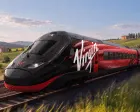
Virgin has revealed a mock-up of a new cross-Channel train as it prepares to compete with Eurostar, which has had no direct rival since the Channel tunnel opened. The company plans to begin London to Europe services in 2030, aiming to attract passengers with a distinctive design and hospitality-led experience.
Virgin has ordered 12 trains from Alstom and says the interiors will take inspiration from its airline lounges, cruise menus and hotels, with spaces for working, relaxing and socialising. It may link rail journeys with Virgin Atlantic flights, while UK track access is confirmed until at least 2040 and maintenance is planned at east London’s Temple Mills depot. Italy’s Trenitalia is also expected to enter the market, with a €2bn order for 19 Hitachi trains.
- Virgin plans London to Europe trains from 2030.
- It has ordered 12 trains from Alstom.
- Trenitalia is also expected to compete.
New here? Start with this
Eurostar is the only train service connecting Britain to continental Europe, operating through the Channel Tunnel since 1994. It has been the sole operator of this route for over 30 years.
Virgin, the British company known for airlines, railways and hotels, plans to launch its own London to Europe train service by 2030. This will end Eurostar's monopoly and give passengers a choice between operators for the first time since the Channel Tunnel opened.
The Channel Tunnel route is becoming more competitive. Italy's national rail company, Trenitalia, is also planning to enter the market with its own service. Multiple operators will compete on a route that has previously had just one.
Both sides, in good faith
The strongest fair case each way — we don't pick a winner.
The case for
Competition in the Channel tunnel market benefits consumers through genuine choice, service innovation, and potential price pressure on established operators. Virgin's investment in modern trains and enhanced hospitality sets new service standards that push the market forward, whilst the infrastructure capacity supports multiple daily services from London to major European cities.
The case against
The London-Europe rail market may lack sufficient demand to sustain two competing operators at commercially viable levels. Competition that fragments the market risks financial strain on both operators, potentially resulting in reduced service frequency, higher fares, or service withdrawals—outcomes more damaging to consumers than the current pricing by an established, well-resourced operator.
Business Celebrity Culture Entertainment Food
Read the full article at the source →
Originally published by The Guardian as “Virgin unveils its future cross-Channel train as it gears up to take on Eurostar”.