Revealed: The councils accommodating more asylum seekers than homeless people – as outrage grows after heavily pregnant homeless woman was refused emergency accommodation
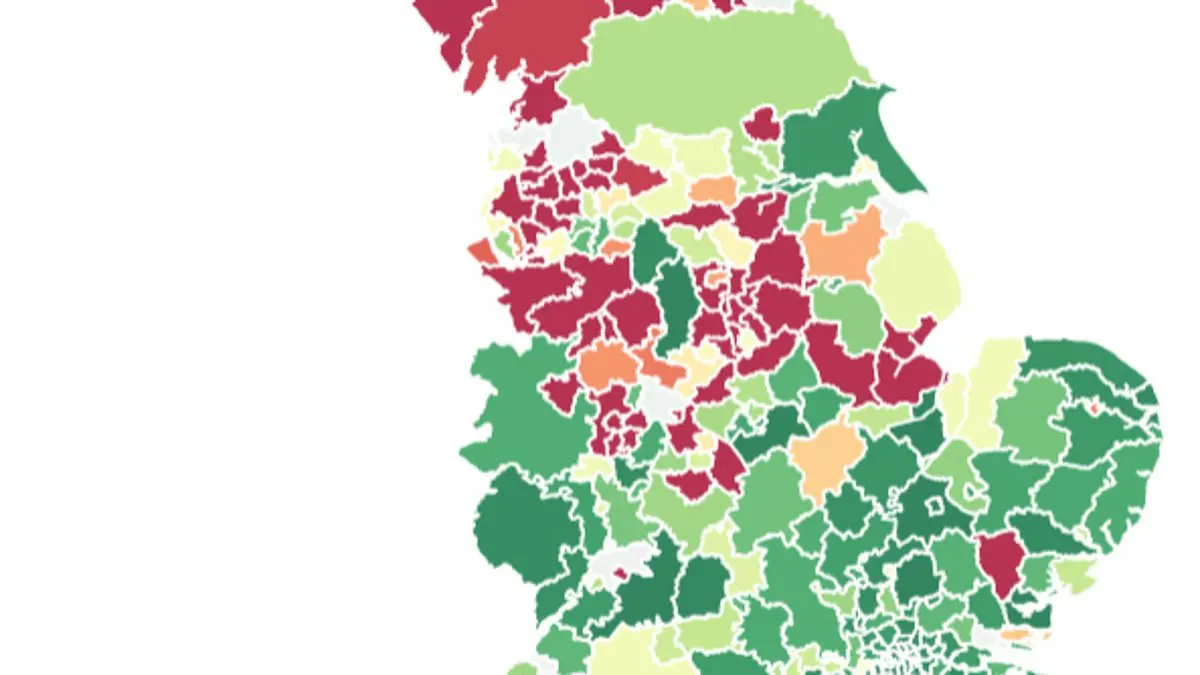
Nineteen council areas are accommodating more than ten times as many asylum seekers as homeless households, according to Daily Mail analysis. The disparity has sparked outrage after a heavily pregnant woman fleeing domestic abuse was refused emergency shelter by Glasgow City Council, triggering wider criticism that asylum housing provision is undermining support for vulnerable British citizens.
Hyndburn in Lancashire shows the starkest contrast, with 423 asylum seekers housed compared to just 14 homeless households. The Home Office reports approximately 74,000 asylum seekers are being housed across England as of June, alongside 123,000 homeless households in temporary accommodation as of March. The woman, who was 34 weeks pregnant, was reportedly told by council staff to sleep on the streets or return to London, which critics characterise as symptomatic of a two-tier system.
- Nineteen councils house more than ten times as many asylum seekers as homeless households
- Heavily pregnant woman denied emergency shelter despite fleeing domestic abuse
- Critics claim asylum provision is compromising support for vulnerable British citizens
New here? Start with this
Councils across Britain house asylum seekers awaiting the outcome of their immigration applications, a responsibility distinct from their duty to support homeless residents. A recent analysis has shown that in nineteen council areas, councils are housing substantially more asylum seekers than homeless households, with some councils accommodating ten times as many asylum seekers as rough sleepers and people in temporary accommodation.
Nationally, approximately 74,000 asylum seekers are housed across England, compared to roughly 123,000 homeless households in temporary accommodation, but the distribution varies significantly by area. Hyndburn in Lancashire shows the starkest local disparity, housing 423 asylum seekers compared to only 14 homeless households. These local variations have prompted questions about how councils allocate limited housing resources between vulnerable groups with competing needs.
The disparity has generated public debate, intensified by a recent case in which a heavily pregnant woman fleeing domestic abuse was refused emergency accommodation by Glasgow City Council. Critics have characterised this as symptomatic of a two-tier system in which asylum housing takes priority over support for vulnerable British citizens. The incident has prompted questions about how councils balance their obligations to different vulnerable groups when facing competing demands for limited housing resources.
Both sides, in good faith
The strongest fair case each way — we don't pick a winner.
The case for
The UK has binding international legal obligations under the Geneva Convention to house asylum seekers whilst their claims are assessed, and asylum seekers face particular vulnerability as isolated individuals without local networks or established housing rights. These statutory duties are distinct from domestic homelessness policy and cannot be abandoned; asylum seekers have no alternative government support, whereas homeless assistance involves charities, voluntary organisations, and established local services. The numerical disparity reflects different legal frameworks rather than unfair prioritisation, and both vulnerable groups deserve adequate support through properly resourced systems.
The case against
British citizens in severe vulnerability—particularly a heavily pregnant woman fleeing domestic violence—should be the state's primary obligation, as the state has direct responsibility for its own population and homelessness often reflects preventable policy failures in domestic violence services, mental health, and housing. The stark council-level disparities, with some areas housing ten times more asylum seekers than homeless households, suggest structural imbalance beyond legal requirements; if resources can be mobilised for asylum processing, similar commitment should apply to homeless citizens in domestic crisis. The pregnant woman's case suggests a system where international obligations are prioritised above duties to the most vulnerable British citizens.