Indonesian nickel mines linked to rainforest clearance on Tolaki lands
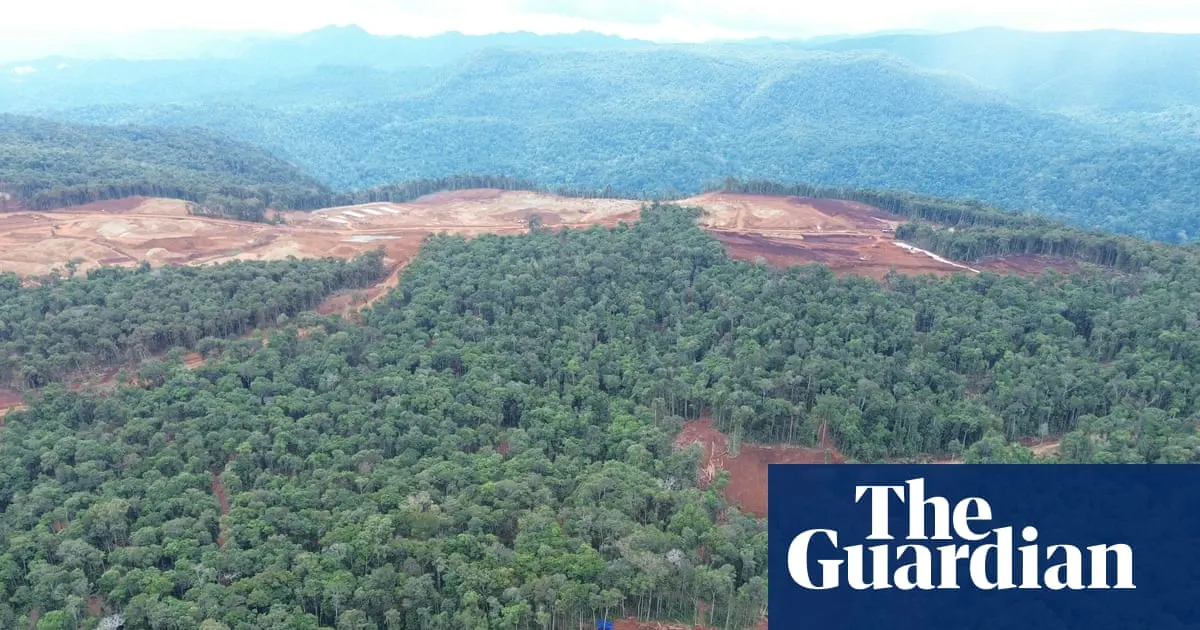
An investigation has linked nickel mines in Indonesia to widespread clearing of primary rainforest on lands inhabited by the Indigenous Tolaki people. The mines’ supply chains reach battery makers and carmakers including Volkswagen, Ford and Tesla, raising concerns about the environmental costs of electric vehicle production.
Trade records show ore from the Cahaya and Hengjaya mines was processed by Zhejiang Huayou Cobalt in Indonesia and China; Huayou supplies CATL, the world’s largest battery maker, and has a separate supply route to LG. Shipments of processed nickel worth $606m went from Morowali to China in 2024, followed by $470m in 2025, though public records do not establish which specific ore reached particular car batteries. The 21,000-hectare Cahaya concession borders a Tolaki elder’s home, and environmental groups say demand for larger vehicles is adding to pressure from mining.
- Indonesian nickel mines linked to rainforest loss on Tolaki lands.
- Supply chains reach battery makers serving major carmakers.
- Records trace shipments, but not specific ore to individual cars.
New here? Start with this
Nickel is used in some electric vehicle batteries, and Indonesia is one of the world’s major sources of the metal. To produce it, companies mine nickel ore and process it into material that battery makers can use.
The Tolaki are an Indigenous people whose lands include areas where nickel mines operate. An investigation has linked mines near Tolaki communities to the clearing of primary rainforest, raising questions about effects on local land and the environment.
The supply chain includes Indonesian mines, processors such as Zhejiang Huayou Cobalt, and battery and carmakers. Nickel is mixed and processed along the way, so public records may show connections between companies without identifying which mine’s ore went into a particular vehicle.
Both sides, in good faith
The strongest fair case each way — we don't pick a winner.
The case for
Nickel is essential to many electric vehicle batteries, and mining it can support jobs, investment and the shift away from petrol-powered transport. A reasonable case for developing the mines is that Indonesia can supply a material needed for decarbonisation while improving local livelihoods, provided environmental safeguards and Indigenous rights are respected.
The case against
Clearing primary rainforest on Tolaki lands risks lasting damage to ecosystems and communities, and raises questions about consent and who benefits from mining. The supply-chain links also show that electric vehicles can carry substantial environmental costs, while limited public traceability makes it harder for manufacturers and buyers to know whether their purchases are connected to that harm.
Read the full article at the source →
Originally published by The Guardian as “Revealed: VW, Ford and Tesla batteries linked to destructive deforestation of indigenous lands”.