Alex Gibney’s Musk documentary shifts tone between its two halves
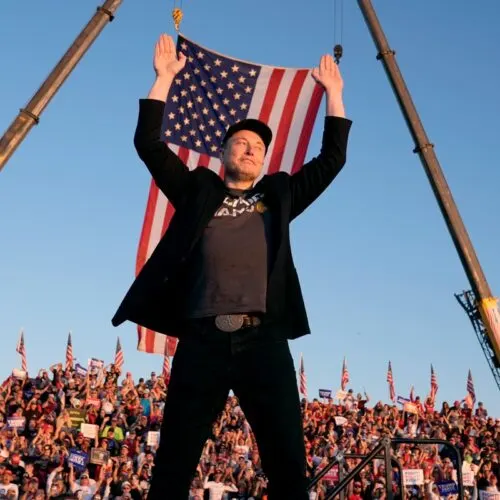
Alex Gibney’s documentary *Musk* examines Elon Musk’s public image and business career, portraying him as an investor who sells visions of technological progress more than an inventor. The review says the film is compelling and polished, but overlong, covers familiar ground for technology readers and shifts sharply in tone between its two halves.
The first half follows Musk’s early entrepreneurial years, while the second focuses on his purchase of Twitter and embrace of Donald Trump. Gibney said he had completed the documentary in 2024, but HBO asked him to continue filming to capture what he called Musk’s “heel turn”; the review suggests this may explain the uneven feel. The film also covers Tesla, SpaceX, Starlink, AI and other well-known episodes, with interviews including Musk’s ex-wife Justine Musk and former Twitter CEO Martin Eberhard.
- Gibney’s film presents a critical portrait of Elon Musk.
- Its two halves differ in tone and focus.
- The review finds it polished but overlong and familiar.
New here? Start with this
Alex Gibney is an established documentary filmmaker who has created a film examining Elon Musk's public image and business practices. The documentary explores how Musk presents himself to the world and charts the evolution of his career and various companies.
The film is structured in two parts: the first traces Musk's early entrepreneurial years, while the second covers his more recent activities including his purchase of Twitter. It features interviews with people connected to Musk, including his former wife Justine and former Twitter chief executive Martin Eberhard, offering different perspectives on his career and influence.
The documentary has drawn attention because it reportedly shifts noticeably in tone between its two halves. This tonal inconsistency appears to result from HBO requesting additional filming late in production to capture Musk's more recent developments, which created a disconnect between the film's first and second parts.
Both sides, in good faith
The strongest fair case each way — we don't pick a winner.
The case for
The documentary's expansion to capture Musk's recent political alignment and Twitter acquisition represents an important editorial choice to keep the film current and comprehensive. Rather than presenting an outdated account, Gibney recognised the necessity of documenting Musk's continuing evolution and present-day influence, even if this required additional filming and challenged the original structure.
The case against
The addition of a second act with a different focus and tone undermines the film's overall coherence and effectiveness. Having completed a documentary with a particular narrative approach, adding substantial new material feels rushed and disjointed, particularly when the film was already overlong and covering familiar ground. The original scope would likely have produced a more focused and powerful work.
Read the full article at the source →
Originally published by Ars Technica as “Review: 4-hour Musk documentary feels like two different films”.