Sport news and discussion on TalkFuse.
Boca-River rivalry balances family atmosphere with a violent past
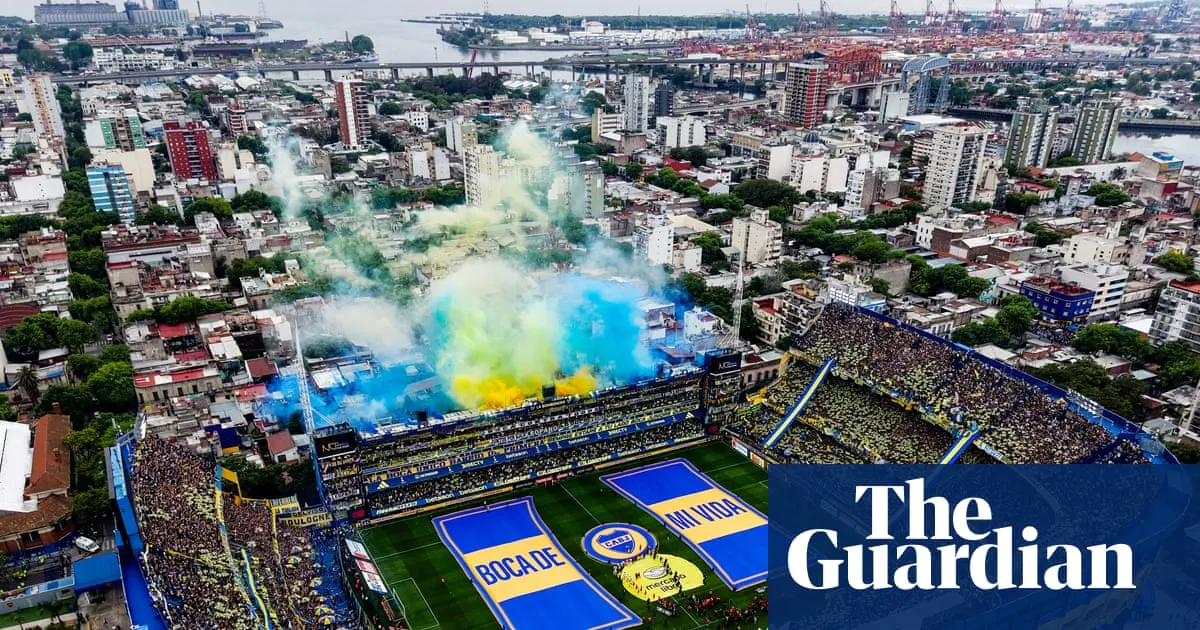
The writer’s visit to Boca Juniors v River Plate at La Bombonera, on the week of her 60th birthday, prompted reflections on a fixture famed for its colour and intensity, but also marked by deaths and violence. The matchday atmosphere has changed since Argentina banned away supporters in 2013, making games more family-friendly for many while reducing the spectacle and silencing opposing fans.
The article recalls the 1994 killing of two River supporters after a match, and the writer’s reporting that cleared La Doce leader José Barritta of involvement in the ambush. It also notes that 71 fans, mostly Boca supporters, were crushed at the stadium’s Puerta 12 exit in 1968; the circumstances remain unclear. At Sunday’s game, club-organised fireworks and blue-and-yellow umbrellas coloured the scene, while journalists sat among the home crowd.
In short
- The Superclásico’s atmosphere has changed since away fans were banned in 2013.
- The writer recalls deaths linked to the fixture, including the 1968 Puerta 12 crush.
- Club-organised displays now shape a matchday once driven by rival supporters.
Steelman: both sides, in good faith
The strongest fair case each way — we don't pick a winner.
The case for
Restricting away supporters can make matches safer and more welcoming for families, particularly given the rivalry’s history of fatal violence and the difficulty of controlling large, emotionally charged crowds. A calmer atmosphere may help more people enjoy the game without fear, and clubs and authorities have a responsibility to protect spectators.
The case against
Banning away supporters diminishes the defining spectacle of a rivalry built around both sets of fans, their songs and their colours. It also excludes visiting supporters collectively rather than addressing specific sources of danger, and can leave the match less authentic and less vibrant even if it feels safer for some.
Explained simply
Boca Juniors and River Plate are two of Argentina’s biggest football clubs, both based in Buenos Aires. Their meetings, known as the Superclásico, draw intense support and are famous for their noise, colour and rivalry.
The fixture also has a history of serious crowd violence. In 1968, 71 supporters, mostly Boca fans, died in a crush at an exit from Boca’s stadium, La Bombonera; how it happened remains unclear. In 1994, two River supporters were killed after a match, in an attack that became part of the rivalry’s history.
Argentina banned away supporters at league matches in 2013, changing the atmosphere at games between the clubs. With only home fans in the stands, many people experience a more family-oriented matchday, while opposing supporters are absent from the stadium.
Read the full article at the source →
Originally published by The Guardian as “Revisiting the Superclásico: a story of death, violence, colour and family”.