Politics news and discussion on TalkFuse.
Rewilding link to record fires: After 1,017 wildfires ALREADY this year, eco-dogma is blamed for turning the country into a tinderbox
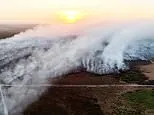
More than 1,000 wildfires have hit England and Wales so far this year, already matching the total for the whole of 2025, which was previously the worst year on record. Rural groups and campaigners are blaming Labour's environmental policies, particularly its extension of rules restricting controlled heather and grass burning on moorland, which they say has allowed dry vegetation to accumulate and turned the countryside into a tinderbox as temperatures reach 38C. Ministers argue the burning restrictions, covering 1.6 million acres of peatland, are needed to protect air quality and public health, but critics including farming and countryside bodies say the policy has removed a key tool for preventing wildfires from taking hold.
The Country Land and Business Association and the Countryside Alliance have both urged the Government to reverse the policy, with the former describing the burning ban as effectively removing "the single-most important method of preventing wildfires". Ongoing incidents include a four-day blaze in the New Forest involving more than 100 firefighters and multiple fires in South Wales, some suspected to be started deliberately. Manchester mayor Andy Burnham has called for shops to stop selling disposable barbecues, while Lord Botham has urged the Prime Minister to place Defra into special measures, warning of potential fatalities unless action is taken before the new winter burning season begins on 1 October.
In short
- Over 1,017 wildfires recorded in England and Wales this year already
- Critics blame Labour's rewilding and burning restrictions for the surge
- Government defends policy as protecting peatland and air quality
Steelman: both sides, in good faith
The strongest fair case each way — we don't pick a winner.
The case for
The case for restrictions is that controlled burning creates significant air quality and respiratory health problems, particularly for vulnerable populations, with no guaranteed prevention of larger wildfires, which are driven primarily by extreme temperatures and human behaviour. Peatland is an internationally protected carbon store supporting rare biodiversity, and reintroducing widespread burning contradicts climate commitments and simply shifts pollution burden to neighbouring regions. The Government contends that the current fire crisis reflects the genuine drivers—extreme heat, negligence, arson—rather than lack of managed burning.
The case against
Rural land managers and countryside groups contend that controlled burning is the proven, traditional method for preventing catastrophic wildfires, refined over generations, and its removal has allowed dangerous fuel accumulation precisely as conditions turned extreme. They argue the policy ignores expert local knowledge and the demonstrable reality that small, managed fires prevent large, uncontrolled ones—and that over 1,000 fires already, with hundreds of firefighters deployed, shows the policy has created rather than prevented crisis. Targeted burning during appropriate seasons, they maintain, remains far preferable to record-breaking summer blazes.
Explained simply
Wildfires can spread through dry grass, heather and other vegetation, especially during hot, dry weather. On some moorland, land managers have traditionally used controlled burning to clear patches of vegetation, though it can also affect peat soils, air quality and wildlife.
Government rules restrict burning on large areas of peatland, with ministers saying the limits help protect public health and the environment. Some farming and countryside organisations argue that the restrictions make it harder to manage vegetation and reduce fire risk; others point to the potential harms of burning. The debate involves how best to protect people, wildlife and rural land as conditions become hotter and drier.
Elections Government Politics World