Technology news and discussion on TalkFuse.
Ring’s Indoor Drone Camera Is Back—and Now Powered by AI
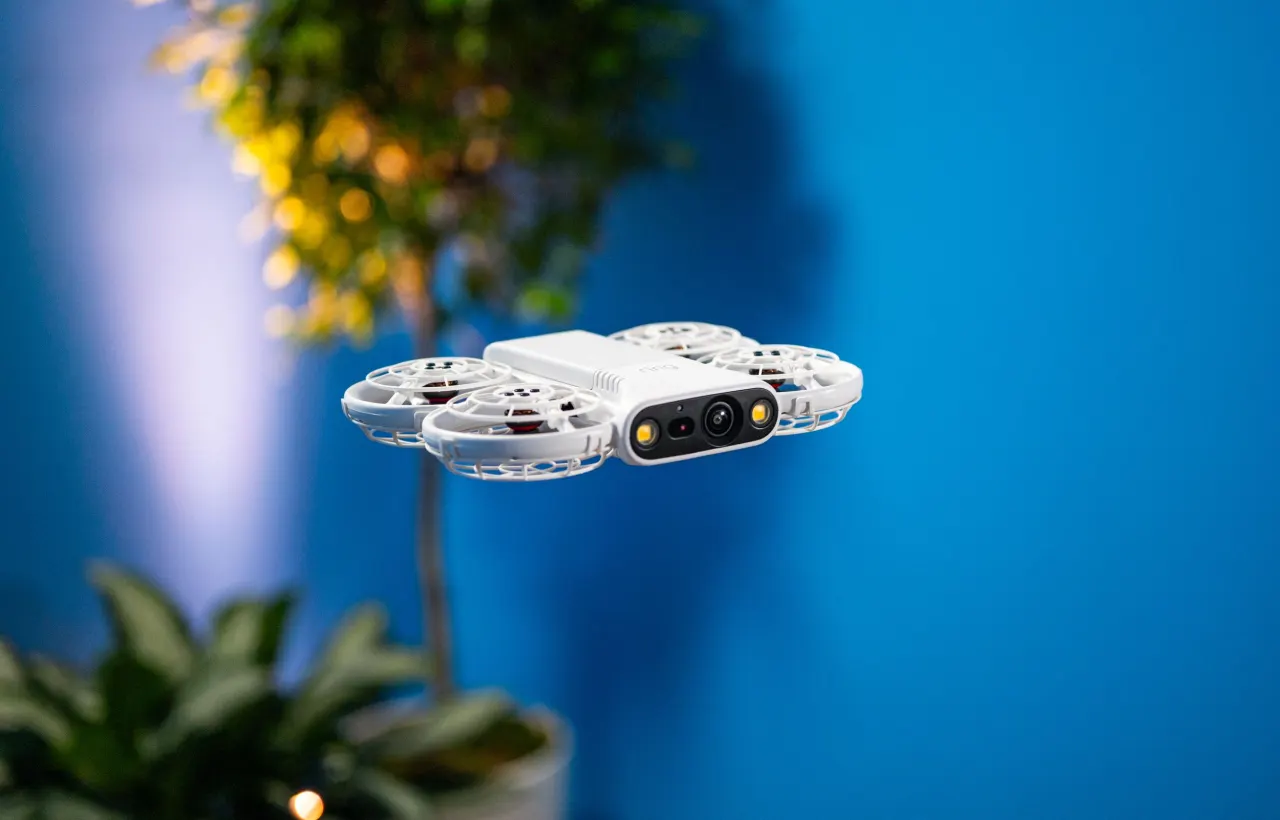
Ring is preparing to sell an indoor security drone that patrols a home and streams its camera view to a phone, aiming to provide coverage beyond fixed cameras. The launch marks a renewed attempt after the company delayed an earlier model, and it raises questions about reliability and privacy because the drone relies on cloud-based AI.
The Drone Cam costs $250 and is due on 27 January; Ring’s $1,000 Rover Cam for business sites is scheduled for 16 December. The 165-gram drone can fly for five to eight minutes per charge, follow scheduled routes and respond to sensor alerts, but users cannot pilot it manually and it needs Wi-Fi to operate. Its AI runs in Ring’s cloud, where video is processed; encryption keys rotate every few minutes, but Ring temporarily retains a key for those features before deleting it.
In short
- Ring’s $250 indoor drone patrols homes using cloud-based AI.
- It flies for five to eight minutes per charge.
- Cloud processing raises privacy questions despite rotating encryption keys.
Steelman: both sides, in good faith
The strongest fair case each way — we don't pick a winner.
The case for
A patrolling drone could cover rooms that fixed cameras miss, responding to sensor alerts and following scheduled routes without requiring users to install several cameras. Its relatively low price and rotating encryption keys may make mobile home monitoring more accessible while offering safeguards for video processed in the cloud.
The case against
An indoor camera that flies through a home may capture private spaces in ways residents and visitors cannot easily anticipate or control, and cloud-based processing means video depends on Ring’s handling of encryption keys and retained data. Its short flight time, reliance on Wi-Fi and lack of manual control may also limit how reliably it can provide coverage when needed.