Rintaro Returns to Korea After 17 Years for Busan’s Japanese Animation Special
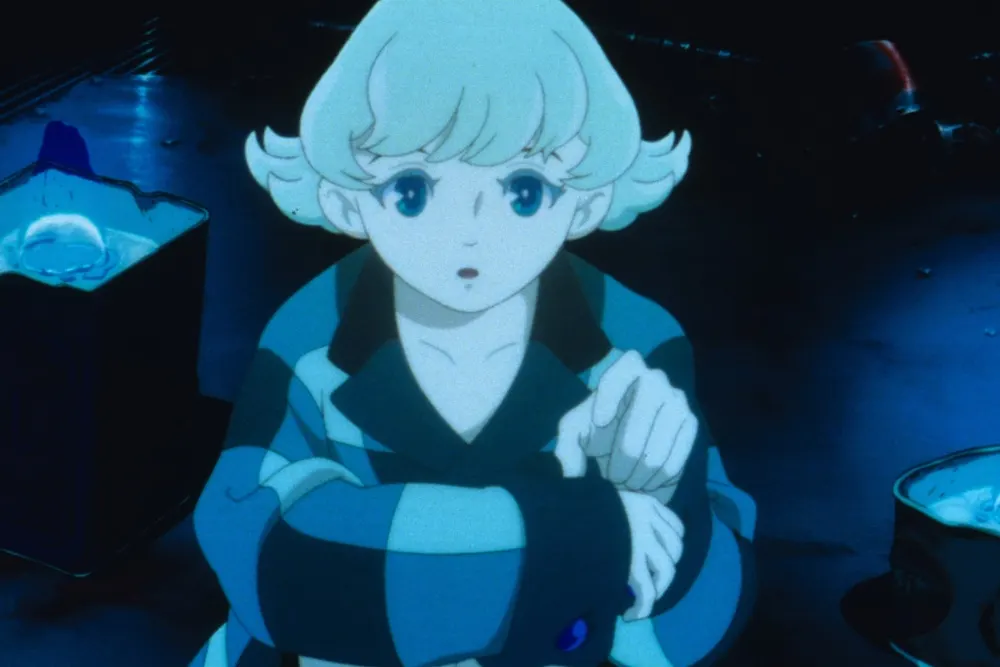
The 31st Busan International Film Festival has announced a 13-film Japanese Animation Special, bringing veteran director Rintaro to Korea for the first time in 17 years alongside four younger directors. Billed as a Special Program in Focus, the season traces a century of Japanese animation history, pairing formative classics with new releases and one European-derived work that influenced generations of Japanese animators; most titles have rarely, if ever, screened in Korean cinemas.
Alongside Rintaro, directors Kadowaki Kohei, Katanosaka Ryo, Natsume Shingo and Shinomiya Yoshitoshi will attend. The classics strand spans works including Toei's 1958 "The White Snake Enchantress" (Japan's first full-colour animated feature, credited with inspiring a young Miyazaki Hayao), 1973's adult-oriented "Belladonna of Sadness," Tezuka Osamu's 1980 "Phoenix 2772," Oshii Mamoru's 1985 "Angel's Egg," a 2025 remaster of the 1995 anthology "Memories," Rintaro's own 2001 epic "Metropolis," Yuasa Masaaki's 2004 debut "Mind Game" and Morita Shuhei's 2004 short "Kakurenbo." Four newer titles complete the lineup, including Natsume Shingo's "Ghost – End of Night," produced by Madhouse and due for a 2027 Japanese theatrical release.
In short
- Busan festival unveils 13-film Japanese animation retrospective and showcase
- Director Rintaro visits Korea for first time in 17 years
- Programme spans 1958 classics to unreleased 2027 titles
Explained simply
Japanese animation has developed across more than a century, from early short films to feature-length works made for different audiences and in varied styles. The films in this programme include influential works by directors such as Tezuka Osamu, Oshii Mamoru and Rintaro, as well as films by a younger generation.
Busan International Film Festival is a major film festival in South Korea, and its Japanese animation programme brings together older and newer titles. Some have rarely been shown in Korean cinemas, so the screenings offer local audiences a chance to see works that have shaped the medium and compare them with recent films.