Rishi Sunak DID plot to oust Boris Johnson as prime minister, new book claims
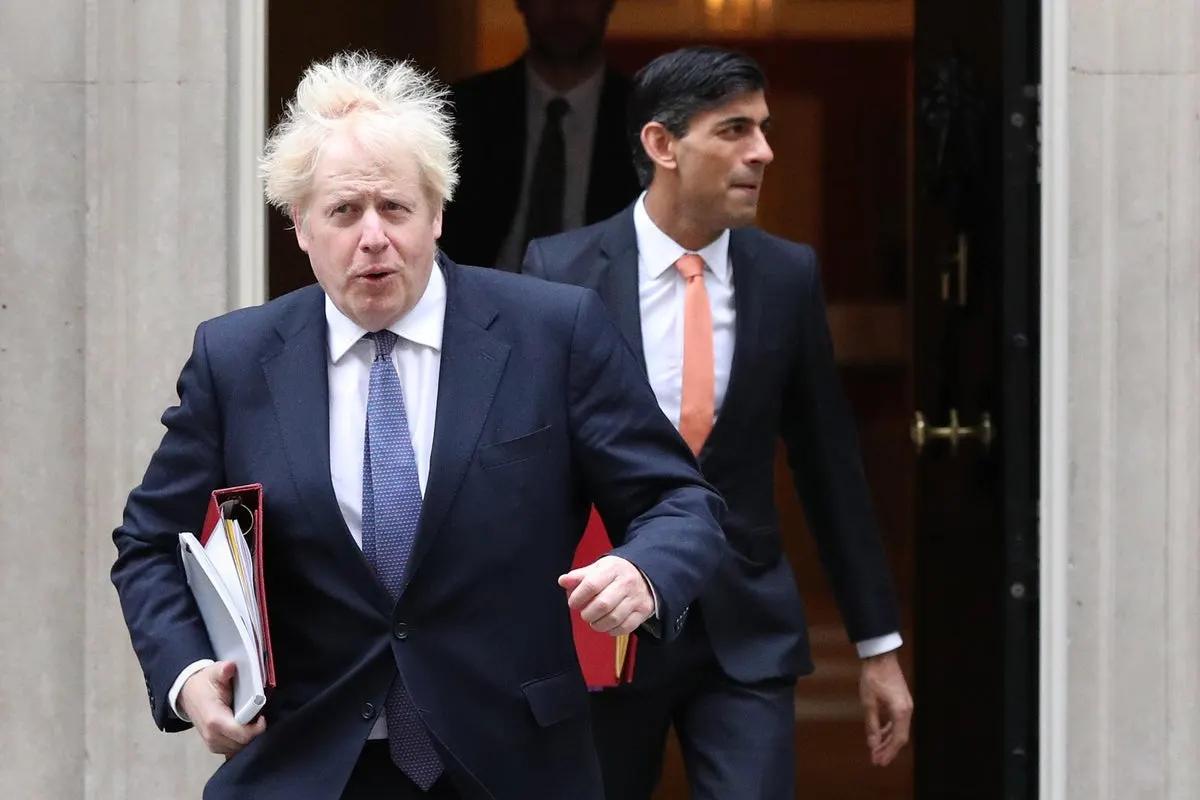
A new book by biographer Sir Anthony Seldon claims Rishi Sunak did play a role in plotting against Boris Johnson, reviving the long-running row over claims that Sunak "stabbed him in the back" to become prime minister. Seldon writes that Sunak's aides "worked forensically with Sunak's tacit support to undermine Johnson," though he stresses this was not the decisive factor in Johnson's downfall, which he attributes primarily to Johnson's own "incompetence and unsuitability" as prime minister. The claims matter because they reignite bitter tensions within the Conservative Party that have shaped its recent turbulent leadership history.
Sunak resigned as chancellor in July 2022 amid scandals engulfing Johnson's government, just two days before Johnson was forced out as prime minister; he later became PM himself in October 2022 after Liz Truss's brief, crisis-hit tenure. The book, Sunak at 10, details how relations between the two men deteriorated so badly that Sunak considered quitting three times before finally doing so, reportedly urged on by his wife Akshata Murty. It also revisits previously reported claims that Johnson was so furious over the resignation that he considered sending Sunak a foul-mouthed video message, having called it "the great betrayal of all time."
- New book says Sunak's aides worked to undermine Johnson with his tacit backing
- Author says Johnson's own failings, not Sunak, mainly caused his downfall
- Sunak reportedly considered resigning three times before quitting as chancellor