Rocket Lab pushes back first Neutron launch to 2027
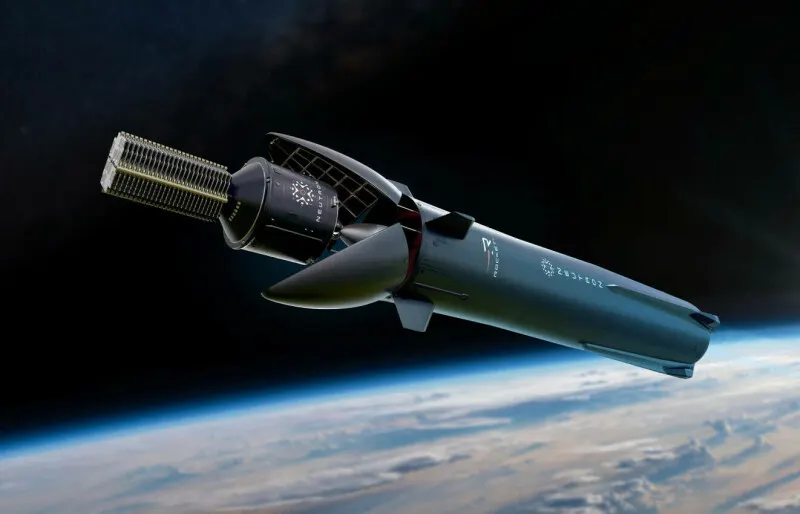
Rocket Lab has delayed the first launch of its Neutron rocket until 2027 after finding defects in the carbon composite layers of a propellant dome. The delay pushes back a vehicle intended to expand the company’s launch capacity and compete in the same payload class as SpaceX’s Falcon 9.
The defects, known as voids, could reduce the dome’s safety margin, though chief executive Peter Beck said they did not necessarily mean it would fail in flight. Rocket Lab says it has solved the manufacturing issue, but expects cryogenic and hydrostatic testing to finish in the first quarter of 2027 before setting a launch date. Neutron was initially expected to fly in 2024, and the announcement was followed by a fall in Rocket Lab’s shares from about $63 to near $53 in after-hours trading.
- Neutron’s first launch is now expected in 2027.
- Carbon composite voids delayed testing of its propellant dome.
- Rocket Lab shares fell from about $63 to near $53.
New here? Start with this
Rocket Lab is a US space company that builds and launches rockets for carrying satellites into orbit. Its existing Electron rocket serves smaller payloads; Neutron is designed for larger missions, in a class that includes SpaceX’s Falcon 9.
Neutron’s propellant dome is part of the structure that holds rocket fuel, and it must withstand very low temperatures and high pressure. Tests help engineers check that components can safely handle those conditions before a rocket is cleared to fly.
A larger rocket could let Rocket Lab compete for more satellite and other space missions. Its development matters to customers considering launch options and to investors following the company’s plans and costs.
Both sides, in good faith
The strongest fair case each way — we don't pick a winner.
The case for
Delaying the launch gives Rocket Lab time to verify the propellant dome under demanding tests, reducing the risk of flying a vehicle with a potentially weakened safety margin. For a new rocket, prioritising reliability and crew, payload and public safety can justify missing a target date, even when the delay carries commercial costs.
The case against
The delay follows an already substantial slip from the original 2024 target and postpones Neutron’s chance to expand Rocket Lab’s capacity and compete in a key market. Investors and customers can reasonably question whether the manufacturing problem is fully resolved and whether the revised schedule is credible, given the resulting uncertainty and financial consequences.