World news and discussion on TalkFuse.
Rosa-Parks, the Paris neighborhood ravaged by crack, 10 years after its redevelopment
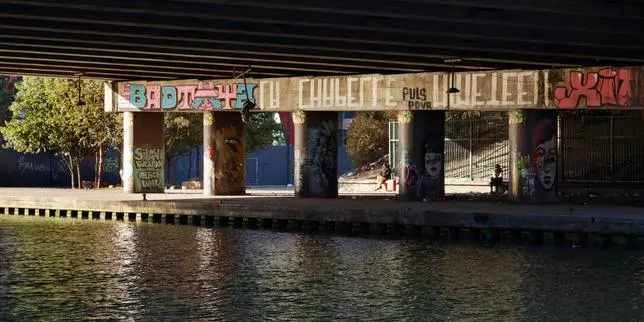
A decade after the Rosa-Parks area in north-east Paris was redeveloped, crack cocaine use and dealing have become concentrated nearby, alongside visible poverty and violence. The situation has contributed to the decline of public spaces and local businesses, raising questions about how authorities balance harm reduction with residents’ safety and the area’s future.
Since police moved drug users to a nearby square in September 2021, the Quai du Lot has become the capital’s main crack-use hotspot. The charity Gaïa estimates that about 900 people pass through the area each year, while outreach workers report that women now make up 30% of the community, up from 10% to 12%; the charity supports 15 to 20 sexual-violence complaints annually. Local officials have also reported nine or ten deaths in the area over one summer, while a planned city response had yet to materialise a year after it was called for.
In short
- Crack use is concentrated near the redeveloped Rosa-Parks district.
- Gaïa estimates 900 people pass through each year.
- Residents and businesses face a deteriorating public environment.
Steelman: both sides, in good faith
The strongest fair case each way — we don't pick a winner.
The case for
A harm-reduction approach recognises that people dependent on crack need health care, outreach and safer places to seek help, rather than simply being displaced from one street to another. Concentrating services can make support easier to reach and reduce risks for users, while a lasting response also requires housing, treatment and coordination across authorities.
The case against
Residents and local businesses can reasonably argue that a public square should be safe and usable, and that persistent dealing, violence and visible distress impose serious costs on the neighbourhood. They may see the authorities’ failure to deliver a promised response as evidence that harm reduction is not being matched by effective protection, enforcement and support for the wider community.
Explained simply
Rosa-Parks is a district in north-east Paris that was redeveloped around a decade ago. Its streets and public spaces sit close to the Quai du Lot, where people who use or sell crack cocaine have increasingly gathered.
People who use crack, local residents, businesses, outreach charities and public authorities are all affected. The charity Gaïa works with people in the area, while police and city officials have responsibility for public safety and local services.
The situation matters because drug use, poverty and violence can affect people’s health and safety as well as the use of public spaces and the survival of nearby businesses. It also raises questions about how support for people who use drugs can be provided while addressing residents’ concerns and the future of the district.