The purr-fect pick-me-up: 94% of cat owners say purring has a positive impact on their wellbeing
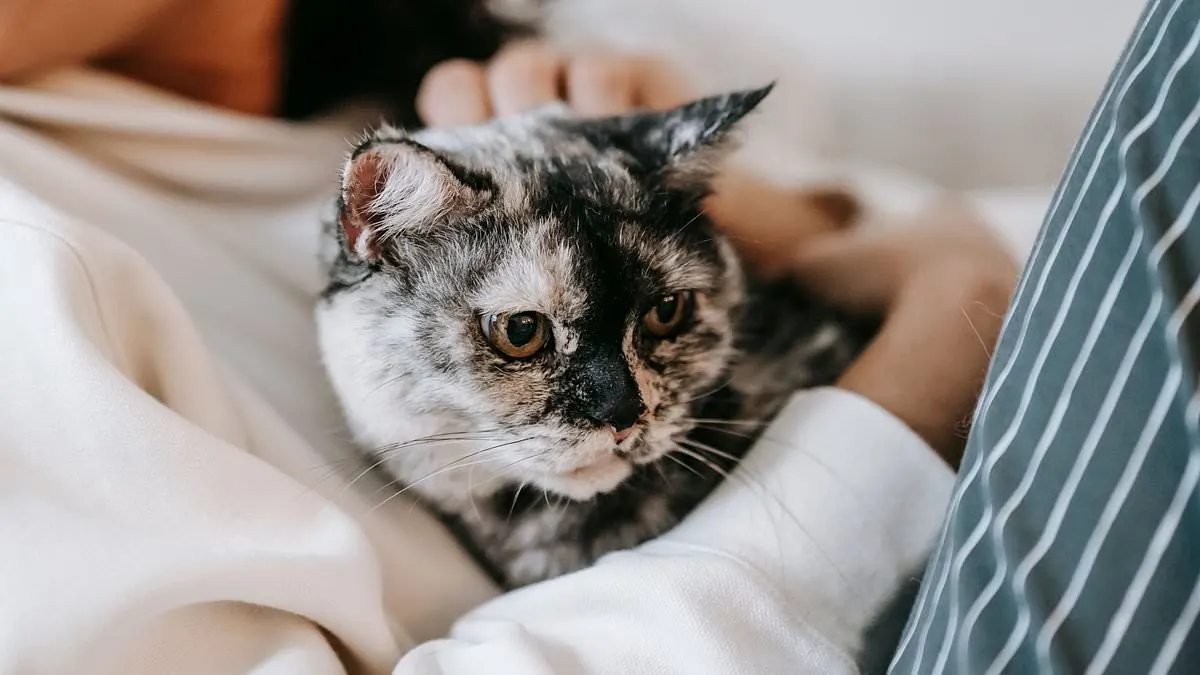
A survey of 1,000 British cat owners has found that 94 per cent believe their pet's purring has a positive impact on their wellbeing and helps reduce stress. The research, released to coincide with World Mental Health Day on 10 October, demonstrates how pet ownership can support people's mental health.
The findings revealed that two-fifths of respondents experienced an immediate decrease in stress levels when hearing their cat purr, whilst two-thirds felt better knowing their cat was happy. More than 63 per cent reported emotional bonding with their pet. Additionally, 80 per cent of those surveyed believed cat therapy should be more widely used as a form of mental health support, though half of respondents were unaware that such therapy exists.
- 94% of cat owners say purring improves their wellbeing
- Two-fifths reported immediate stress reduction
- 80% support wider use of formal cat therapy
New here? Start with this
Pet ownership is commonly associated with benefits for human wellbeing, and researchers are increasingly studying how animals might support people's mental health. There is growing recognition that various aspects of daily life can influence how we feel and manage stress.
A survey of British cat owners was conducted to examine whether their pets have any impact on their emotional wellbeing and stress levels. The research focused particularly on how a common cat behaviour—purring—might affect the people who live with them.
Results that suggest pets improve mental health are relevant to broader conversations about how we can support people's wellbeing. Given the timing of this research around World Mental Health Day, it reflects increasing interest in understanding the many sources of comfort and stress relief in people's everyday lives.
Both sides, in good faith
The strongest fair case each way — we don't pick a winner.
The case for
Cat owners' reported mental health benefits are significant and widespread—94% report positive impacts with measurable stress reduction and emotional bonding. Rather than dismissing these as merely subjective, we should recognise them as genuine improvements in wellbeing that deserve acknowledgement. Cat therapy offers an accessible, affordable, non-pharmacological complement to traditional mental health support that many people already benefit from; formalising and expanding access could meaningfully help address the mental health crisis.
The case against
Whilst subjective experiences of wellbeing are valid, we must apply rigorous clinical standards before formally recommending pet therapy within healthcare. This survey is self-selected—unsurprisingly, cat owners report that cats help them—and lacks controlled conditions to establish true efficacy. Mental health resources are limited; we should prioritise interventions with robust clinical evidence. Pet ownership also requires space, time, and resources unavailable to many, risking that pet therapy would deepen rather than reduce inequality in mental health support.