World news and discussion on TalkFuse.
Russell Brand just shamed the BBC again – how many others don’t we know about
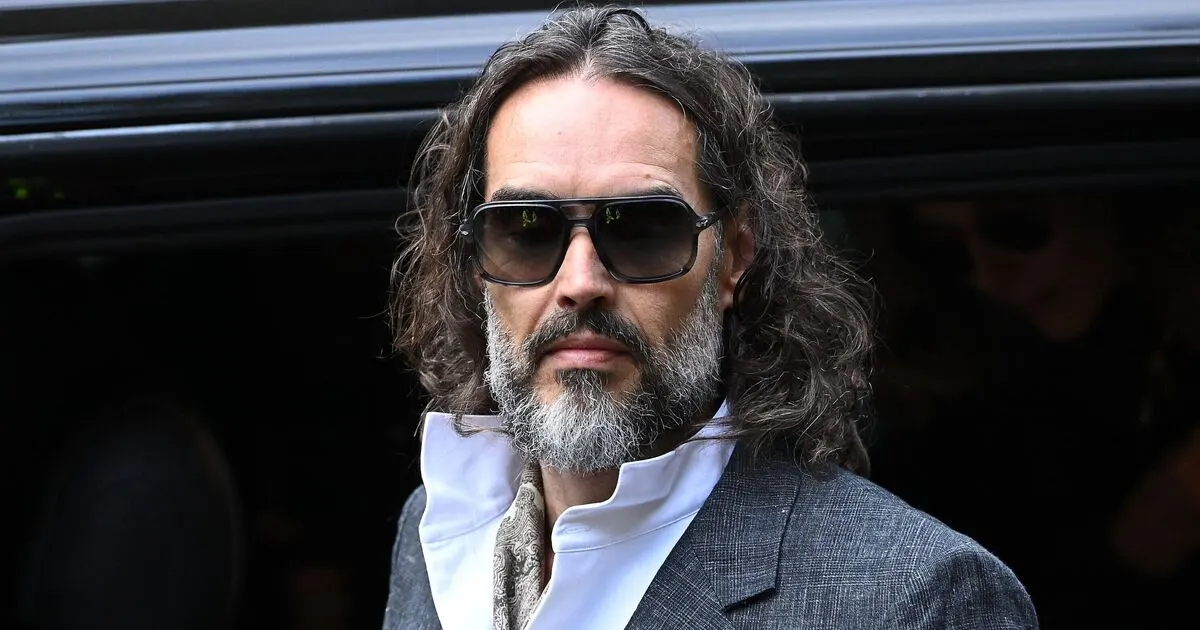
Russell Brand’s convictions have renewed questions about whether the BBC responds effectively to warnings about misconduct by prominent presenters. The article argues that the corporation has repeatedly failed to act on concerns until they became public or involved police, and calls for stronger whistleblowing processes.
It places Brand alongside former BBC figures including Jimmy Savile, Rolf Harris, Stuart Hall, Chris Langham, Dave Lee Travis and Huw Edwards, whose cases involved offences ranging from sexual assault to indecent images of children. A 2023 BBC review found missed opportunities to address Brand’s behaviour, while earlier reviews and apologies acknowledged failings in handling concerns about other presenters. Brand was found guilty of rape and three counts of sexual assault and was due to be sentenced on Monday.
In short
- Brand’s convictions have renewed scrutiny of BBC safeguarding.
- Reviews have identified failures in handling warnings.
- The article calls for stronger whistleblowing processes.
Steelman: both sides, in good faith
The strongest fair case each way — we don't pick a winner.
The case for
The BBC’s history of missed opportunities and later apologies supports the case that its systems have not reliably protected people who raised concerns about prominent presenters. Stronger, independent whistleblowing routes and clear duties to investigate could help surface patterns earlier, protect complainants and strengthen public trust.
The case against
Past failures warrant scrutiny, but individual cases differ, and their outcomes do not by themselves show that the BBC’s current processes are ineffective or that earlier action would have prevented later offences. Reforms should be based on careful examination of what staff knew and when, while preserving fair procedures for those accused and avoiding assumptions that every warning is substantiated.