World news and discussion on TalkFuse.
Russell Brand Trial Reveals Worst & Best Of TV Industry That Protected, Then Exposed A Predator
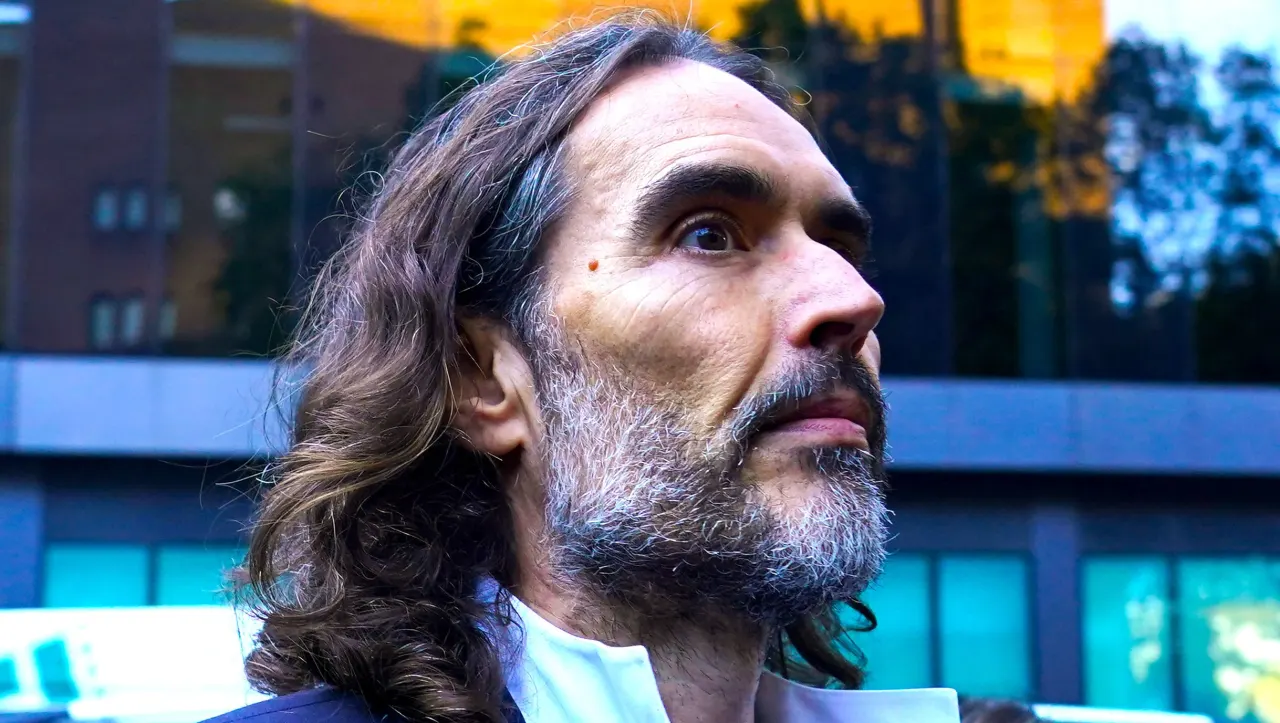
Russell Brand was convicted of rape and sexual assault after a trial that examined not only his conduct but also the television industry’s response to complaints about him. The case highlighted how workplace norms and concerns about being labelled “trouble” may have left women feeling unable to challenge a powerful celebrity, while later reporting helped bring their allegations to court.
Three of the six women who made police complaints persuaded the jury that Brand had sexually assaulted them. The convictions concerned incidents involving a former MTV employee at a 2004 industry party, a woman at a radio company’s offices in 2004 or 2005, and a former Channel 4 employee during a 2009 DVD recording. Channel 4 was criticised over its handling of the 2009 complaint, but its 2023 documentary, made with The Times and The Sunday Times, prompted women to come forward to police.
In short
- Russell Brand was convicted of rape and sexual assault.
- Three women’s allegations resulted in convictions.
- A 2023 Channel 4 investigation prompted police complaints.
Steelman: both sides, in good faith
The strongest fair case each way — we don't pick a winner.
The case for
The case can be seen as exposing an industry that allowed celebrity status and workplace power to discourage complaints, while later journalism helped bring allegations to light and prompted women to approach police. Channel 4’s documentary, made with The Times and The Sunday Times, illustrates how media organisations can help scrutinise past failures and support accountability.
The case against
A careful account should distinguish the jury’s findings against Brand from broader claims about how the television industry acted, and recognise that the jury convicted him on allegations involving three of the six women who complained to police. Journalism can prompt scrutiny, but its role should also be examined critically, since reporting and documentary framing can shape public perceptions before or beyond what a court establishes.