Russia is poised to attack a British drone factory and missile company, ex-Kremlin chief warns – as he described the UK as ‘evil number one’
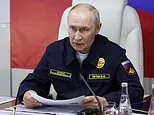
A former Russian deputy foreign minister has claimed the Kremlin is considering a "hybrid attack" against Britain, potentially targeting a drone factory and a missile manufacturer, rather than risking a direct military strike that could trigger a Nato response. Andrei Fedorov told the Mail on Sunday that anger in Russia over UK-made drones used against Russian oil refineries had made Britain "evil number one" among Russian officials and citizens, with some experts reportedly calling for retaliatory action.
Among the sites named is Ukrspecsystems, a British-Ukrainian drone maker based next to RAF Mildenhall in West Suffolk, whose location was publicised in April alongside five other European firms supplying Ukraine. Also mentioned is MBDA, the Stevenage-based arms firm that makes Storm Shadow missiles and employs 4,000 people, with Fedorov citing Moscow's anger at Prime Minister Andy Burnham for giving Ukraine the missiles' blueprints. Defence Secretary Wes Streeting dismissed the Kremlin's rhetoric as a sign of weakness, while an Atlantic Council analyst noted that hybrid attacks are designed to place targeted nations in a difficult position over how to respond without escalating to full-scale conflict.
- Ex-Kremlin adviser claims Russia may launch a "hybrid attack" on the UK
- Named targets: a Suffolk drone factory and Stevenage missile maker MBDA
- UK defence secretary says threats reflect Putin's weakness, not strength
New here? Start with this
Russia's use of the term "hybrid attack" refers to covert or deniable actions – such as sabotage, cyberattacks or arson – that fall short of open military conflict, allowing a state to strike a target while avoiding the clear-cut act of war that would trigger a formal response from Nato allies. The claim comes from Andrei Fedorov, who once served as a deputy foreign minister in Russia, though he no longer holds any official government position. His remarks reflect one individual's account of the mood in Moscow rather than a confirmed Kremlin policy.
The companies named make equipment central to Ukraine's war effort. Ukrspecsystems builds drones and is based in Suffolk, while MBDA, based in Stevenage, manufactures Storm Shadow missiles that the UK has supplied to Ukraine, including reportedly sharing technical details that would let Ukraine produce similar weapons itself. Russia has accused UK-made drones of being used in strikes on its oil refineries, which the report says has fuelled hostility towards Britain among some Russian commentators.
This story matters because it touches on the wider question of how far the war in Ukraine could draw in the countries supplying weapons to Kyiv, and whether Western nations face retaliation on their own soil for that support. UK officials have played down the warning, while security analysts note that hybrid attacks are typically designed to unsettle a country without giving it a clear justification for full military retaliation.
Both sides, in good faith
The strongest fair case each way — we don't pick a winner.
The case for
Those who back Britain's current stance argue that continuing to arm and supply Ukraine, including through firms like Ukrspecsystems and MBDA, is a matter of principle and long-term security: appeasing threats or scaling back support because Moscow objects would reward intimidation and undermine deterrence more broadly. They contend that Russia's threats, however unsettling, are largely bluster designed to sow fear and division without risking a direct Nato confrontation, and that showing resolve – as Wes Streeting's dismissal of the rhetoric suggests – denies the Kremlin the coercive leverage it seeks.
The case against
Others take the threat seriously and argue the government should weigh more carefully the risks its policies impose on ordinary civilians and workers at defence firms, particularly after choices such as publicising the location of facilities supplying Ukraine. They believe that whatever the merits of supporting Kyiv, ministers have a first duty to protect people and infrastructure on British soil, and that a more cautious, less publicly provocative approach to disclosing sensitive sites and involvement would reduce the risk of hybrid attacks without abandoning support for Ukraine altogether.
Business Celebrity Companies Entertainment Europe Government Politics UK World